Picture yourself stepping onto your deck with coffee in hand as the sun lifts over the Hill Country and the lake is glassy and quiet. If you love being on the water and want a slower daily rhythm without losing access to Austin, Lake Travis might fit you well. In this guide, you will learn how life on the lake really works, from neighborhoods and docks to commutes, schools, and seasonality. Let’s dive in.
Lake Travis at a glance
Lake Travis is a Colorado River reservoir, part of the Highland Lakes, created by Mansfield Dam and managed by the Lower Colorado River Authority. LCRA controls water levels for flood control and water supply, which means the shoreline changes during the year. Those levels affect private docks, marinas, and where you can launch or store a boat. LCRA also publishes lake rules and safety guidance, which is helpful before you buy or boat.
Life here is different from in-town Austin. Homes often center around outdoor living, lake access, and views. Some areas sit inside incorporated cities like Lakeway or Lago Vista. Others are in unincorporated Travis County with services provided by HOAs or special districts. Service levels can vary, so it pays to confirm details for a specific address.
Where you might live
Lakeway
Lakeway sits on the south and central shore and offers a wide range of home types, from condos and patio homes to lakefront estates. You will find golf, marinas, and retail within a short drive. If you want lake access with nearby services and parks, Lakeway is a good place to start. You can review local services and parks through the City of Lakeway.
Rough Hollow (in Lakeway)
Rough Hollow is a master-planned area with luxury homes and resort-style amenities. Many residents enjoy access to a community marina and club features. It suits buyers who prefer new or newer homes, structured amenities, and planned neighborhood life.
Lago Vista and Jonestown
On the north shore, these communities mix year-round residences with vacation homes and gated enclaves. You will see view properties on sloped lots along with waterfront estates. Local marinas and community amenities support a true lake lifestyle.
Point Venture and Volente
These smaller village-style communities offer private community amenities and marinas. Streets are quiet in the off-season and livelier when the water warms up. If you like a close-knit feel and lake access, they are worth a look.
Hudson Bend and Bee Cave border areas
Closer to Bee Cave and Westlake job centers, you will see Hill Country homes with some lake access. Homes vary widely in style and age. Many buyers choose these areas to balance lake proximity with shorter drives to dining, shopping, and offices.
Home styles and how they live
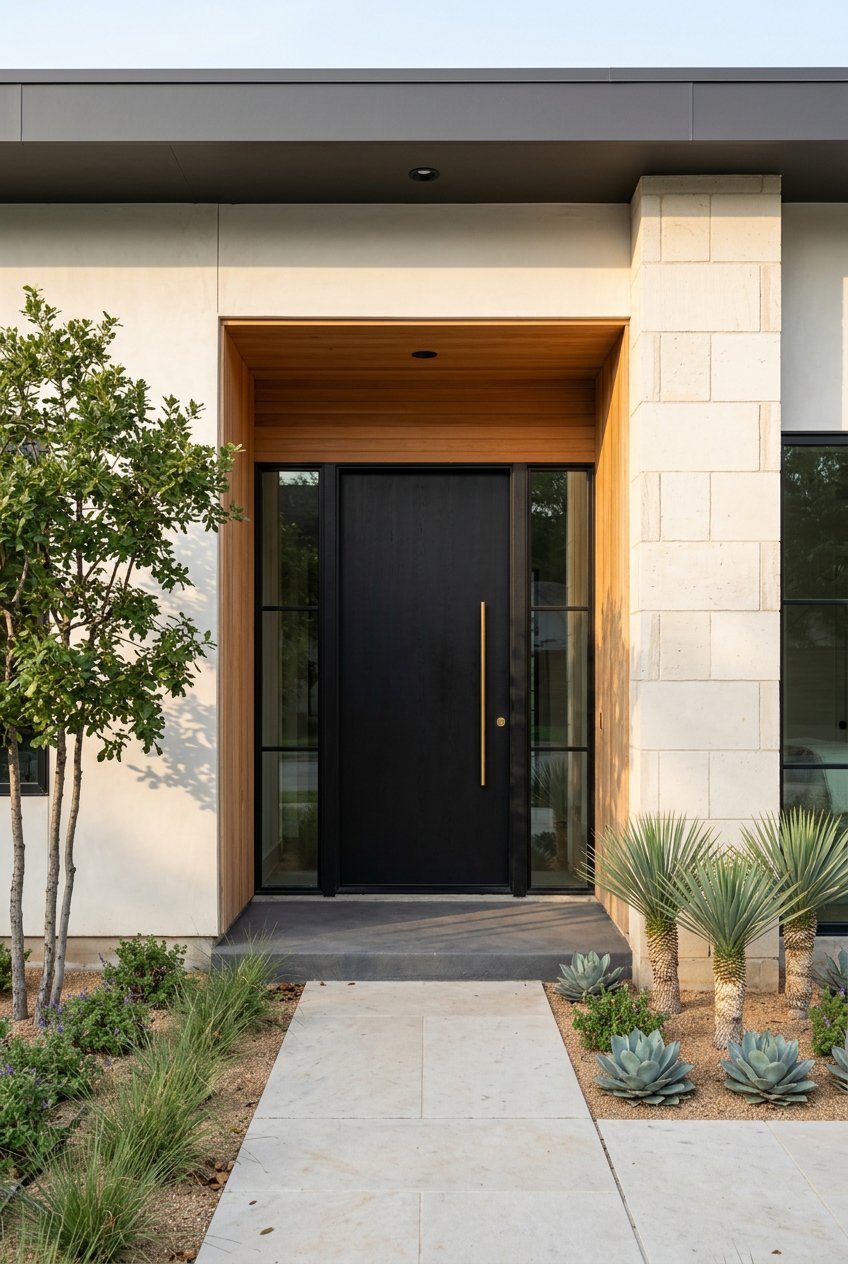
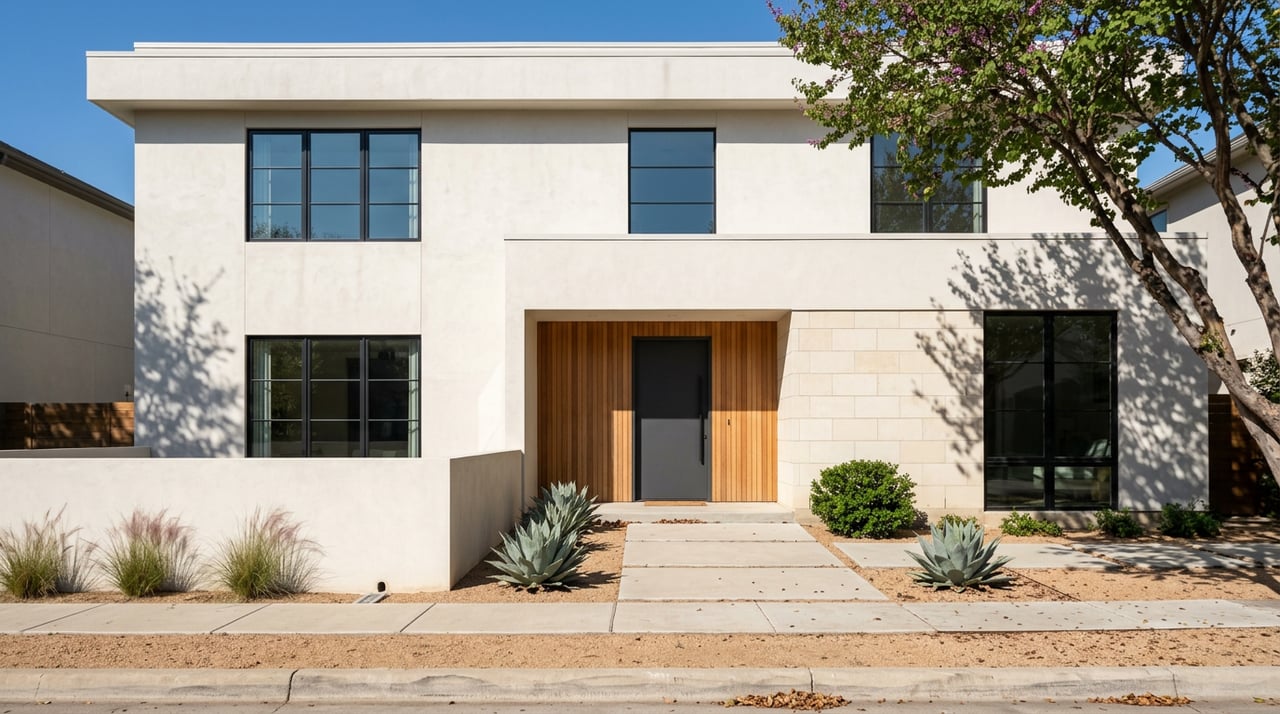
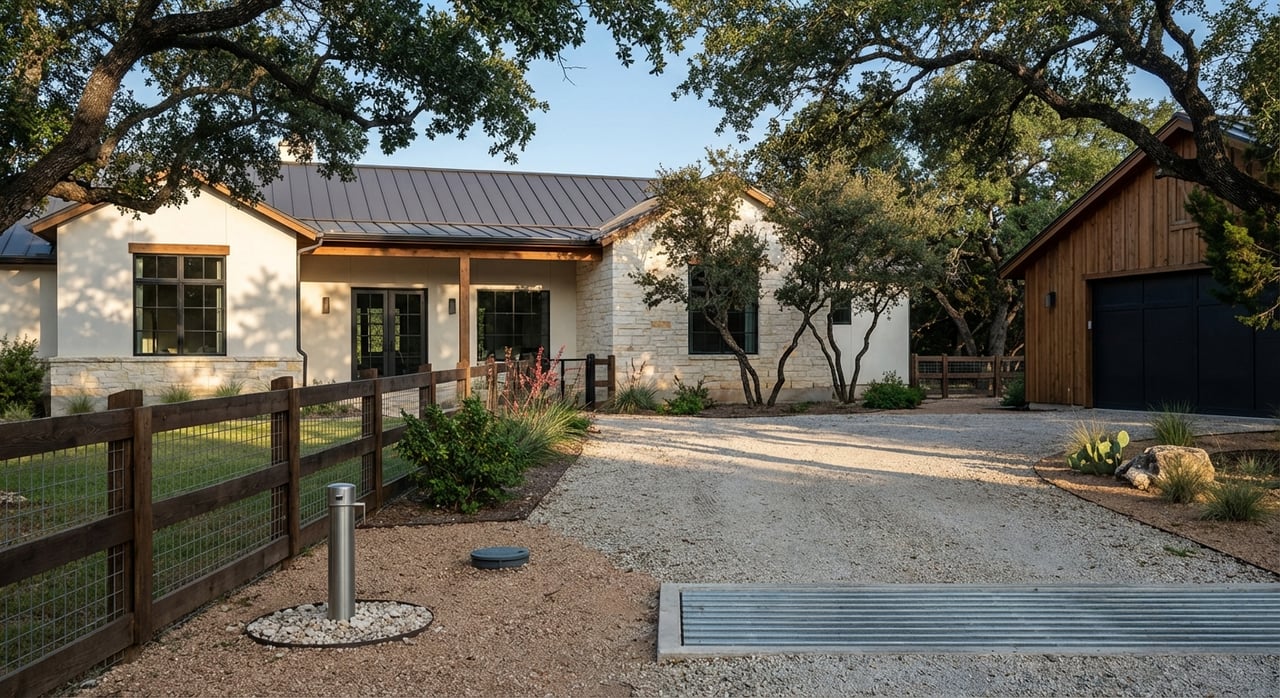
Waterfront estates often feature big windows for views, large terraces, and private docks or deeded slips. Hill Country customs favor limestone and warm materials, usually on larger, sloped lots that trade walk-out waterfront for sweeping views. Condos, townhomes, and patio homes show up most in Lakeway and planned communities, which can be a smart choice if you want low maintenance. Some master-planned neighborhoods sell homes without private docks but include deeded marina access, which simplifies upkeep.
Docks and water access
Dock ownership is not automatic. It depends on LCRA rules, local permitting, and any HOA covenants for that community. Before you buy, confirm whether a home conveys a private dock, a transferable permit, a deeded marina slip, or no direct water access. Rising and falling lake levels can affect dock usability, so adjustable systems and ongoing maintenance are normal parts of ownership. The LCRA site is your primary resource for dock permits and lake-level history.
Boating and recreation
You will see it all on Lake Travis: wakeboarding, wakesurfing, water-skiing, pontoon cruising, fishing, and personal watercraft. Certain coves are known for social gatherings on holiday weekends. Fall and early spring are typically calmer if you prefer quieter water. For anglers and boaters, regulations and safety guidance come through Texas Parks & Wildlife, and local patrols support enforcement throughout the year.
Marinas ring the lake, and services vary by location. You can find wet slips, dry-stack storage, fuel, and maintenance. If you plan to boat often, think about storage and winterization as annual line items. Some planned communities bundle access and simplify scheduling.
Daily logistics and commute
Commutes depend on where you live and when you drive. Major corridors include FM 620, TX‑71, and Bee Cave Parkway. Many residents work in Westlake, downtown Austin, or The Domain. Typical drive times range from about 20 minutes to more than 60 minutes during peak traffic, depending on your exact origin and destination.
Infrastructure varies by neighborhood. Some lake communities sit farther from urban services, while others near Lakeway or Bee Cave keep you close to retail and medical facilities. If walkability is not your top priority, you gain space, views, and access to the lake in return.
Schools and boundaries
Many neighborhoods around the lake are served by Lake Travis Independent School District. The district is widely perceived as strong within the Austin metro, and Lake Travis High School draws attention for academics and extracurriculars. Always confirm the exact school assignment for any property through Lake Travis ISD, since boundaries can be irregular.
Insurance, flood risk, and maintenance
Waterfront and near-shore homes can fall within FEMA floodplain zones, depending on elevation and maps. Flood insurance requirements and premiums can be significant, so get quotes early. Travis County publishes floodplain and permitting information, and you can start due diligence with Travis County resources.
Docks, boathouses, and shorelines need routine maintenance and occasional permitting for repairs or upgrades. Waterfront homes also merit careful insurance review. Many owners choose replacement-cost coverage for custom finishes and structural features. Utilities vary by neighborhood too. Some areas are on municipal systems, while others use septic or special utility districts. Verify service providers, septic history, and internet options before you make an offer.
Seasonality and neighborhood rhythm
Late spring and summer bring peak activity. Expect more boat traffic, weekend gatherings in popular coves, and a livelier feel across marinas and lakeside restaurants. Off-season months are quieter and slower, which some residents prefer. If year-round calm matters to you, consider homes on quieter coves or neighborhoods that rely on private marinas rather than public launch points.
Buyer checklist for Lake Travis
Use this quick list to frame your search and due diligence.
- Confirm water access: Does the home include a private dock, a transferable permit, a deeded slip, or none? Review permit history with the Lower Colorado River Authority and the HOA.
- Review lake-level impact: Study historical lake levels on the LCRA site and discuss adjustable dock options with a local contractor.
- Check flood risk early: Use county resources for floodplain data and start flood insurance quotes through your insurer. Read permitting guidance from Travis County.
- Understand HOA rules and fees: Ask about dock design standards, short-term rental rules, noise policies, and whether marina slips are transferable.
- Map your commute: Route from the home to your workplace during peak hours along FM 620, TX‑71, and Bee Cave Parkway.
- Verify schools: Confirm the exact assigned schools with Lake Travis ISD and the Texas Education Agency.
- Know recreation rules: Review boating and fishing regulations through Texas Parks & Wildlife before your first lake day.
- Assess maintenance: Budget for dock upkeep, shoreline erosion control, and seasonal boat service. Plan for utilities, including septic inspections if applicable.
How I help you buy on Lake Travis
Buying a lake home is about more than views. You need clarity on docks, permitting, insurance, and the weekly rhythm of life on the water. I combine hyper-local knowledge with Compass tools to give you a calm, confident process. That includes Private Exclusives for discreet off-market opportunities, Compass Concierge for pre-list improvements when you are selling and buying in sequence, and bridge loan guidance to smooth timing.
You get a process-driven search, address-by-address verification, and negotiation rooted in market intelligence. Whether you want a quiet cove with a community marina or an estate with a private dock, I will help you weigh the trade-offs and protect your long-term interests. When you are ready to explore the lake in person, I will line up homes that match your lifestyle and timing.
Ready to talk next steps or walk a few neighborhoods by boat and by car? Connect with Camille Casper to start a tailored search.
FAQs
How do lake levels affect my dock on Lake Travis?
- LCRA manages water levels for flood control and supply, so shoreline position and dock usability can change seasonally. Review lake-level history and dock permits through the LCRA before you buy.
What are the rules for boating and fishing on Lake Travis?
- Texas Parks & Wildlife sets boating and fishing regulations and safety guidance. Check requirements for life jackets, vessel operation, and fishing limits with TPWD prior to heading out.
Which schools serve homes around Lake Travis?
- Many communities fall within Lake Travis ISD, but boundaries vary. Confirm the specific assignment for an address using Lake Travis ISD resources before making a decision.
Do I need flood insurance for a waterfront home on Lake Travis?
- It depends on elevation and FEMA floodplain maps for the property. Review county guidance and obtain quotes early. Begin your research through Travis County.
What should I verify about a dock or marina slip when buying?
- Confirm whether a private dock, permit, or deeded marina slip conveys, and whether any slip is transferable under HOA rules. Cross-check permit history with the LCRA and the HOA.
How long is the commute from Lake Travis to Austin job centers?
- Drive times vary by neighborhood and time of day. Routes along FM 620, TX‑71, and Bee Cave Parkway can run from about 20 minutes to more than 60 minutes during peak traffic, depending on your exact start and finish.