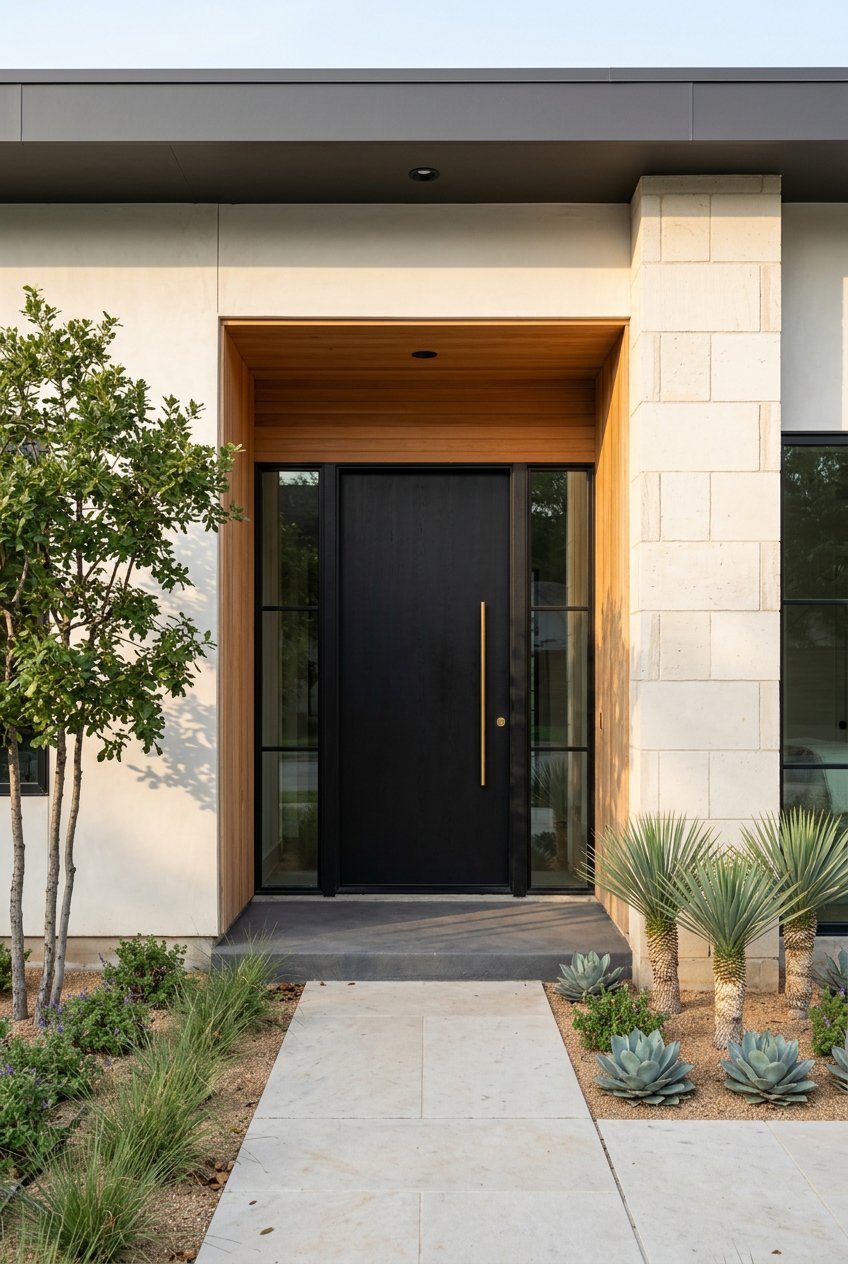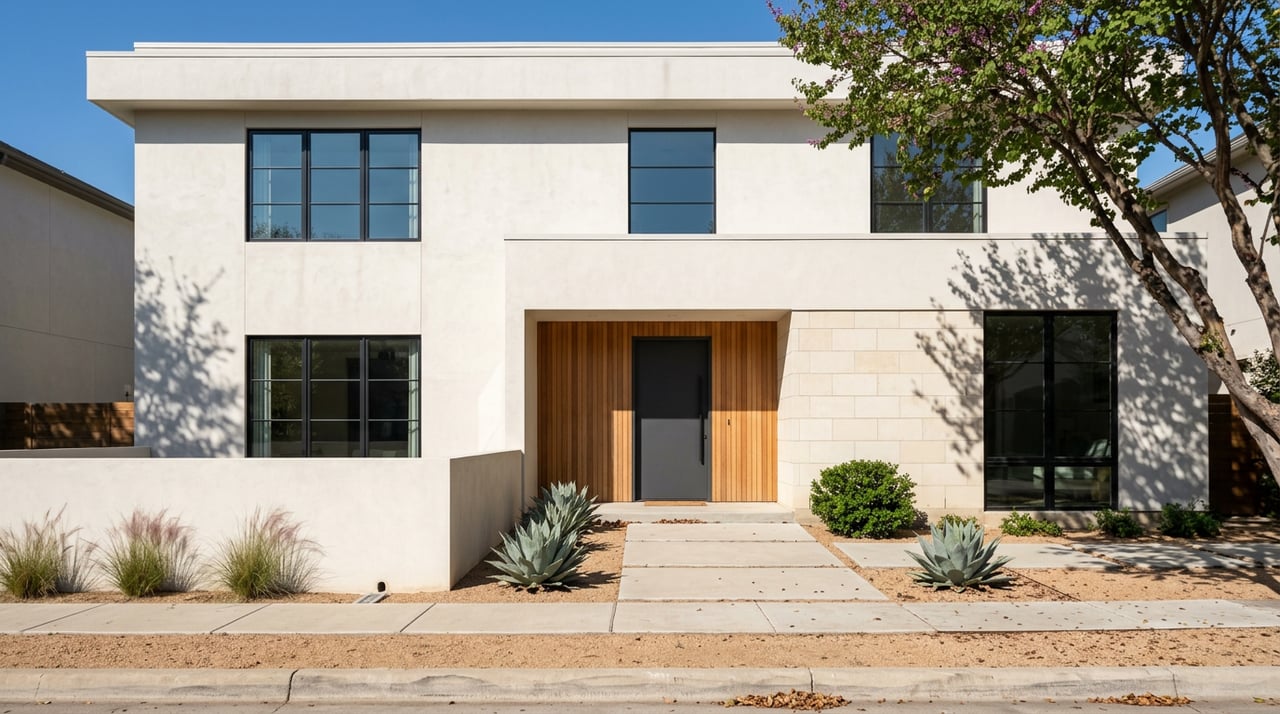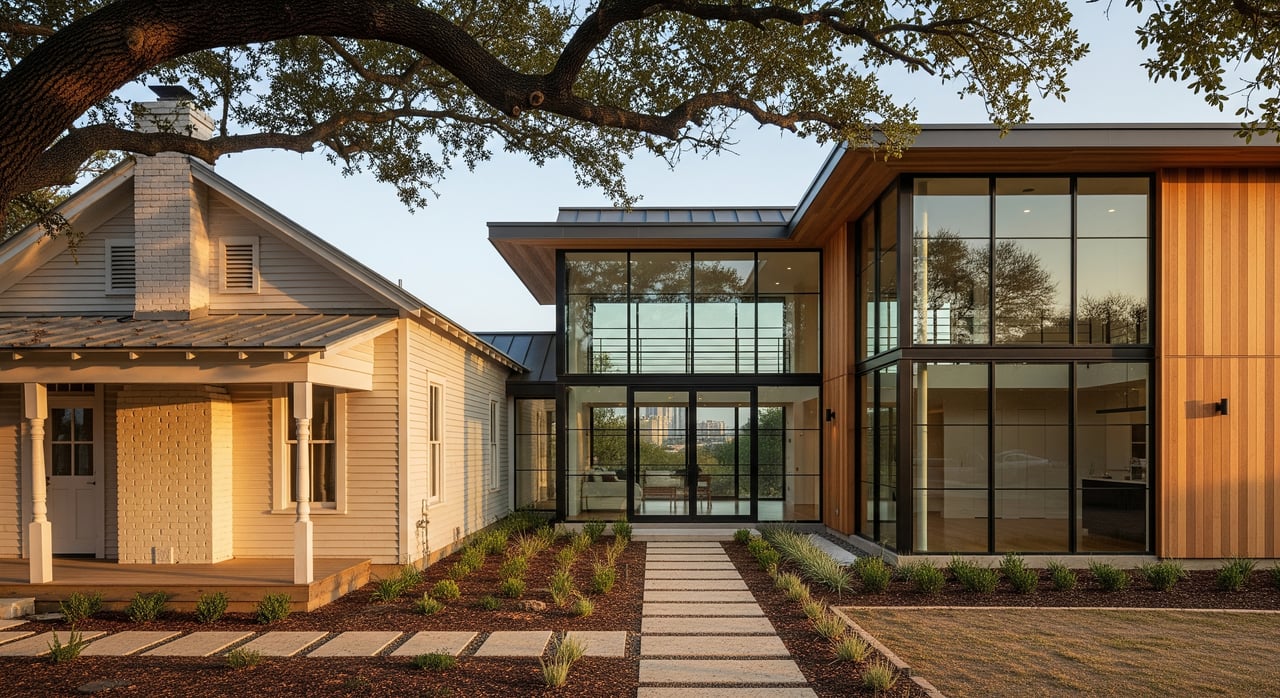
Deciding between the clean lines of a brand-new townhome and the character of a renovated bungalow in Central East Austin can feel like choosing between two great lifestyles. You want clarity on costs, timelines, and what you can negotiate before you commit. In this guide, you will learn how contracts, inspections, warranties, HOAs, and financing differ for new construction and resale in this unique in-town market. You will also get local context so your decision fits your timing and budget. Let’s dive in.
Why Central East Austin is different
Central East Austin is a true mix of product types. You will find older bungalows next to new vertical infill, townhomes, and small condo communities. Infill rules, narrow lots, and proximity to downtown shape what gets built and how projects are governed.
Tight sites and attached footprints affect inspections and maintenance. Access to exteriors, foundations, and mechanicals can be limited, which changes how inspectors work and the tools they use. In some pockets, a single developer’s inventory can influence pricing, finish consistency, and HOA control. The result is a neighborhood where your experience varies block by block, so your due diligence matters.
Contracts and negotiation: new vs. resale
Resale contracts in Texas
Most resale homes use the Texas Real Estate Commission’s standard resale agreement, the One to Four Family Residential Contract (Resale). This form typically includes a negotiated option period for inspections and clear seller disclosure and title timelines. It is a familiar path with defined buyer protections.
Builder and new-home contracts
New homes can close under a TREC new-home form or a proprietary builder agreement. TREC offers a New Home Contract (Completed Construction), but many builders prefer their own paperwork. Proprietary builder contracts often narrow inspection rights, limit remedies, and set strict deadlines for requests and cancellations.
Deposits, timelines, and remedies
Resale purchases usually involve a single earnest money deposit and an option fee tied to the inspection window. Buyers can negotiate repairs or credits after inspections and may have financing or appraisal contingencies. Builder contracts often require larger deposits and staged payments tied to milestones. Remedies are frequently limited to repair or cure, not price reductions, unless the builder agrees.
Where you can negotiate
In resale, you typically negotiate price, closing date, inspection repairs, and credits. In new construction, builders may hold firm on base price but offer concessions on upgrades, closing costs, or rate buydowns. Timing can be your leverage. If you can take a ready spec home, you may gain more favorable terms than waiting for a build-to-order schedule.
Inspections and warranties you can expect
Resale inspection windows
With resale, the option period gives you time to order a general inspection and any follow-ups such as roof, HVAC, plumbing, structural, or termite checks. Findings drive your repair or credit requests. In competitive moments, some buyers shorten or waive the option period. That increases risk and should be weighed carefully.
New-build inspection milestones
New construction typically offers phase inspections. Common checkpoints include pre-pour foundation, pre-drywall, and final inspection with a walk-through punch list. Confirm in writing that third-party inspections are allowed and how much notice the builder requires. The City of Austin must complete municipal inspections and issue a Certificate of Occupancy before you can move in. You can monitor permitting and inspection context through City of Austin Development Services.
What a 1-2-10 warranty means
Most builders provide a version of the 1-2-10 warranty model. That usually means one year for workmanship, two years for major systems, and ten years for structural coverage. Coverage varies by builder and may be administered by a third party such as 2-10 Home Buyers Warranty. Get the warranty booklet and claim process in writing and note deadlines for reporting items after closing.
Your inspection and warranty checklist
- Confirm which contract form is used and your inspection rights in writing.
- For new builds, request phase inspections and a clear punch list process with timelines for completion.
- Obtain the full builder warranty terms and the administrator’s contact information.
- Keep municipal milestones on your radar, including the Certificate of Occupancy.
- For resale, schedule a full inspection early in the option period and allow time for follow-up specialists.
HOAs, condos, and governance to review
Common regimes in Central East Austin
You will see small community associations, townhome HOAs, and condominium associations for stacked or mid-rise projects. Some mixed-use buildings also exist. Each structure sets different responsibilities for maintenance, insurance, and common-area care.
Developer control and required documents
In new projects, the developer often controls the initial board until turnover. Governance and disclosure duties for condos and property owners’ associations are outlined in the Texas Property Code. If you are buying a condo, review Chapter 82. For HOAs, review Chapter 209. Ask about the transition timeline to homeowner control and how budgets were set.
Dues, reserves, rentals, and assessments
Established associations usually have operating histories and reserve studies. New associations may start with lower reserves and evolving budgets. Review current dues, the reserve plan, insurance coverages, and any known or anticipated special assessments. If you plan to rent, confirm rental and short-term rental rules in both the governing documents and local regulations, since they can overlap.
Timeline and financing tradeoffs
How long it takes to move in
Resale purchases in Texas commonly close in 30 to 45 days, depending on your lender and title process. A move-in-ready spec home can close on a similar timeline once the Certificate of Occupancy is issued. Build-to-order from a production builder often runs 4 to 9 months, and custom projects can take 9 to 18 months or more. In Central East Austin, permitting complexity and site constraints can extend schedules.
Your financing options
For resale, most buyers use a standard conventional, FHA, or VA loan with a standard appraisal and underwriting timeline. For new construction, common paths include construction-to-permanent loans, construction-only loans, or builder-arranged incentives such as closing cost credits or temporary rate buydowns. For condos, FHA or VA financing often depends on the project’s approval status. You can learn about project eligibility on HUD’s condominium program page.
East Austin site and permit nuances
Tight lots and protected trees
Infill sites create practical limits on access for inspections and future maintenance, especially for attached products and narrow side yards. Some townhomes and condos have shared elements that require clarity on what is common versus private responsibility. The City of Austin’s tree protection rules can affect site plans and schedules, which is one reason some new builds take longer than suburban projects. You can track permitting context and inspection steps through City of Austin Development Services.
Certificate of Occupancy as a key milestone
Your closing on new construction often hinges on the Certificate of Occupancy. It signals that municipal inspections have been satisfied and that the home is cleared for occupancy. Ask the builder for a detailed schedule with contingencies for inspection availability and any reinspection needs.
Which path fits your goals
If you need a certain move-in date, a resale or a finished spec home may offer the most certainty. If you want tailored finishes and a fresh warranty, new construction can be worth the wait. If you value predictable monthly costs, an established HOA or condo with a reserve history may feel more comfortable than a new association still building reserves. If you want to avoid immediate maintenance projects, a new-home warranty can provide peace of mind.
Think about your top two priorities. Is it timing and certainty, customization and warranty, or governance and monthly cost clarity? Once you know what matters most, the decision between new and resale becomes much clearer.
Your next step
The right advisor helps you compare contracts, confirm inspection rights, vet HOA health, and negotiate the levers that matter, whether that is price, repairs, or builder concessions. You also gain access to private and coming-soon opportunities that may fit your window without public competition. If you would like a calm, data-informed path in Central East Austin, connect with Camille Casper to map a plan that fits your timing and goals.
FAQs
How do builder contracts differ from resale in Texas?
- Builder agreements often use proprietary forms with larger deposits, limited inspection windows, and restricted remedies, while the TREC resale form includes an option period and more balanced contingencies.
What inspections should I order for a new build in Central East Austin?
- Aim for pre-pour foundation, pre-drywall, and a final inspection with a punch list, and make sure your contract explicitly allows third-party inspectors and sets notice requirements.
How do HOA rules differ in new vs. established communities in Central East Austin?
- New associations may be under developer control with evolving budgets and reserves, while established communities offer operating histories and clearer reserves under Texas Property Code Chapters 82 and 209.
How long from contract to close for a spec home vs. resale in Central East Austin?
- A resale or finished spec home often closes in 30 to 60 days, subject to title, lending, and the Certificate of Occupancy for spec units.
Can I use FHA or VA financing for a new condo in Central East Austin?
- It depends on the project’s approval status; some new condos are not FHA or VA eligible until occupancy and paperwork thresholds are met, so verify early with your lender and HUD resources.