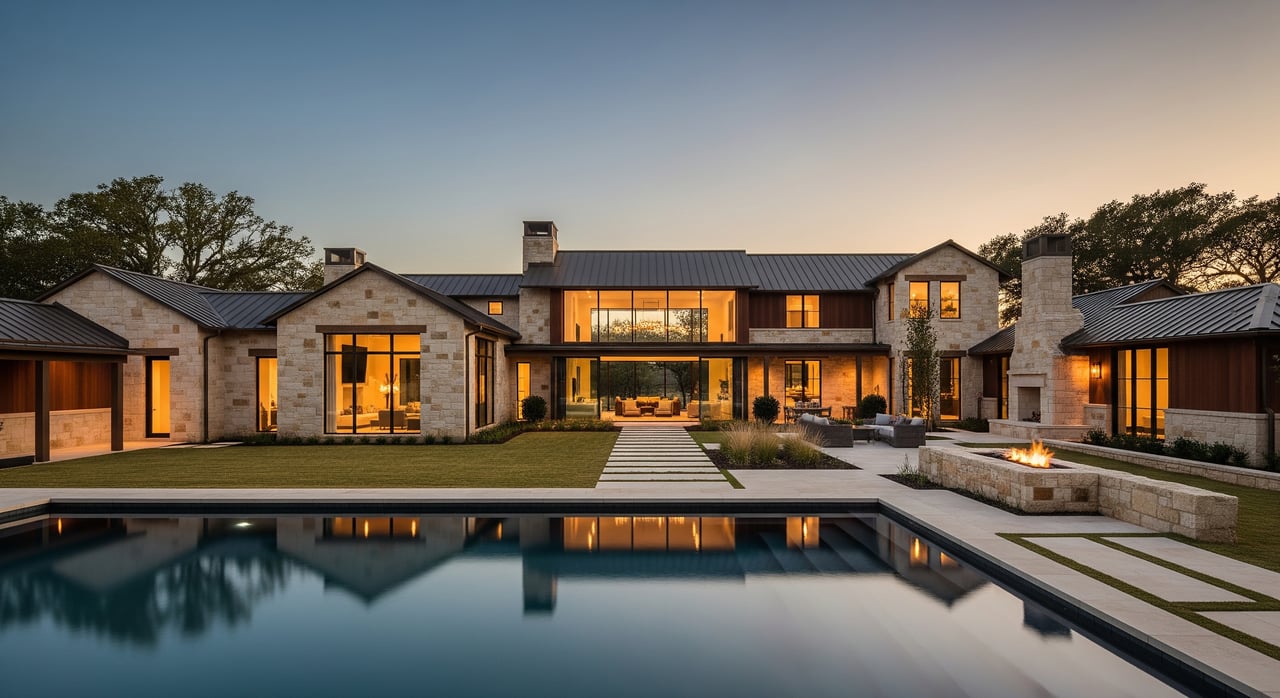
Why does one Westlake estate list far higher than a similar home just a few streets away? If you’re buying or selling in Westlake, Denton County, luxury pricing can feel opaque because small differences in land, build quality, and risk translate into big swings in value. This guide breaks down the specific site, construction, and market factors that push Westlake luxury prices up or down, plus practical ways to read a listing and set a defensible price. Let’s dive in.
The three layers of luxury pricing
Luxury values in Westlake rest on three interacting layers:
- Irreplaceable site attributes. Lot size and usability, elevation and views, water influence, privacy, and drive times to key destinations.
- Tangible build quality and systems. Structure, mechanicals and electrical capacity, layout and finish level, and whether updates were permitted.
- Market and risk context. Micro-market inventory, taxes and special districts, floodplain or easements, insurability, and appraisal dynamics.
When you see a price premium, it usually traces back to one or two strengths across these layers. The same is true for discounts.
Site factors that command premiums
Lot size and usable acreage
In Westlake, buyers prioritize acreage that is both sizable and usable. Flat, functional land that supports outdoor living, a guest house, or equestrian elements tends to command a premium. Irregular shapes or steep, unusable slopes typically trade at a discount relative to similar acreage.
If you want to verify acreage and lot geometry before you tour, review parcel maps through the Denton County Appraisal District. It is a quick way to confirm what you are actually getting.
Elevation, views, and drainage
Elevation and unobstructed views are prized in the luxury tier because they are scarce and non-replicable. A horizon or rolling pasture view often lifts per-acre value more than an extra interior feature would. On the practical side, significant slope can add meaningful cut-and-fill or drainage costs, which buyers price into offers.
Water influence and floodplain status
True water frontage or adjacency to natural creek corridors can increase value for lifestyle-driven buyers. At the same time, parcels located in or adjacent to a floodplain face a smaller buyer pool and higher insurance or mitigation costs. Always confirm flood status through the FEMA Flood Map Service Center and weigh any required elevation or coverage implications before setting or accepting a price.
Privacy, tree cover, and buffers
Mature trees, distance from neighboring structures, and setbacks from visible road corridors can justify notable price differences. Conversely, properties fronting busy collectors or within clear view of future development corridors often see pressure on asking price. Walk the lot lines, not just the interior, to understand the true privacy profile.
Access and drive times
In Westlake, proximity to key employment nodes, DFW Airport, and luxury retail is a practical driver at the top end. A small commute-time difference can translate to a large value difference. Close drive times to country clubs or recreational amenities often create micro-areas where buyers pay consistent premiums.
Construction quality and systems
Structural integrity and materials
High-end buyers look for engineered foundations, robust framing, and well-detailed roof systems. Exterior material consistency, ceiling heights, and architectural detailing influence perceived quality. Visible structural red flags or deferred structural maintenance tend to depress price faster than cosmetic imperfections.
MEP systems and modern infrastructure
HVAC zoning, electrical capacity in the 200–400 amp range, and updated plumbing matter in daily comfort and long-term cost. Buyers generally discount homes needing system replacement by the replacement cost plus the inconvenience and risk of work. Energy efficiency and high-quality windows can raise a home’s appeal in the luxury segment.
Floor plan and finish level
Kitchen design, primary suite functionality, and secondary bath suites drive a disproportionate share of value. Premium materials are important, but flow and function usually outweigh brand names on appliances or stone. Dated layouts or awkward service areas can hold a price back even if finishes are expensive.
Renovation scope and permitting
Permitted, code-compliant renovations that addressed structure or MEP systems typically preserve value better than surface-level updates. Lack of permits can introduce appraisal and insurance friction, which buyers factor into offers. If you are evaluating a listing, ask for permit history and contractor documentation, and cross-check with county records where available.
New builds versus high-quality remodels
New custom homes command a premium for modern systems, layout, and warranties, but the land-plus-build threshold is high. A thorough remodel can capture much of that premium when it solves for infrastructure and function, not just finishes. The uplift hinges on workmanship, permit history, and how well the outcomes align with current buyer expectations.
Micro-markets and inventory in Westlake
Gated estates, club lots, and acreage pockets
Westlake contains distinct luxury micro-markets: gated communities, private club-adjacent homes, ranch-style acreage, and infill luxury. Each has its own comp set and pricing logic. A price that feels high in an isolated estate pocket may be entirely supported inside a gated enclave with controlled access and shared amenities.
Inventory, absorption, and seasonality
Low active inventory of true luxury listings can amplify price moves when a rare match hits the market. A sudden cluster of new high-end listings can extend days on market and encourage aggressive pricing to stand out. For broader context and trendlines, review county and metro snapshots from the Texas A&M Real Estate Center.
Scarce comparables and appraisal risk
Luxury homes are unique, so appraisers may have to use fewer comps and make larger adjustments. That adds valuation volatility, especially for non-standard features like guest compounds, indoor arenas, or specialized sport amenities. If you are selling a niche property, compile specs, warranties, surveys, and credible nearby sales to support appraisals.
Buyer pool and cash prevalence
The local buyer pool often includes executives, entrepreneurs, and regionally mobile buyers. Cash offers are more common in unique or off-market situations, which can reduce appraisal friction. Sellers sometimes accept slightly lower prices in exchange for speed and certainty, while buyers may pay a premium for exclusivity or timing.
Taxes, districts, and risk factors to price in
Property taxes and special districts
Texas’ property-tax structure means carrying costs scale quickly at higher values. School, county, and any MUD or improvement district levies can significantly impact monthly outlay, which flows directly into buyer demand. Review levy composition on recent tax bills and confirm details through the Denton County Appraisal District before you price.
Utilities, wells, septic, and MUDs
Some large parcels may rely on private wells and septic systems or fall within MUDs for water and sewer. MUD debt service and connection status influence both desirability and the feasibility of renovations or expansions. Ask for utility documentation and fee schedules early in your evaluation.
Floodplain, easements, and mineral rights
Floodplain inclusion can reduce the buyer pool and increase insurance requirements. Easements, including utility or pipeline corridors, reduce usable acreage and may limit future site plans. In Texas, mineral rights can be reserved or split; confirm ownership and reservations through the Denton County Clerk and Recorder and your title commitment.
Zoning, platting, and nearby development
Municipal planning, extraterritorial jurisdiction, and approved plats can shape future traffic, noise, or view corridors near your property. Before you list or offer, review local planning maps and any recorded plats to understand what might change around you.
Insurance availability and cost
Pools, guest houses, unique structures, or proximity to flood zones can affect insurability and premiums. Coverage limits and carrier appetite also influence the total cost of ownership. For guidance on availability and factors that impact rates, consult the Texas Department of Insurance.
How to read a luxury list price
Use these signals to separate a true premium from speculative pricing:
- Premium indicators: recent nearby closed sales that support higher price per acre or per finished square foot; irreplaceable attributes like uninterrupted views or true water influence; turnkey construction with documented recent MEP replacements; positioning inside a gated or club-oriented micro-market with consistent premiums.
- Speculative indicators: price not supported by nearby sales; major deferred systems; unpermitted additions; location disadvantages like proximity to busy roads, visible growth corridors, or floodplain inclusion.
A quick due diligence checklist
- Confirm parcel size, shape, and usable acreage through county appraisal maps.
- Check FEMA flood maps and any local floodplain notes.
- Review recent comparable sales within the same micro-market type.
- Verify permit history for significant renovations and systems upgrades.
- Request HOA, MUD, and tax bills to understand carrying costs.
- Ask for maintenance logs and ages for roof, HVAC, plumbing, pool, and outbuildings.
- Obtain a recent survey and title commitment showing easements and any mineral reservations.
To streamline your research, bookmark the FEMA Flood Map Service Center for flood status, the Denton County Appraisal District for parcel data and tax history, the Denton County Clerk and Recorder for deeds and easements, and the Texas A&M Real Estate Center for market context.
Pricing with thin comparables
When comps are scarce, triangulate value rather than relying on one method. Start with a wider geographic search for similar properties, then adjust for lot, view, privacy, and amenity packages. Layer in a cost approach by estimating land value plus the replacement cost of structure and amenities, net of functional or condition differences. Finally, consult specialized appraisers, builders, and trusted local listing agents to pressure-test your assumptions.
Work with a trusted advocate
Reading Westlake’s luxury pricing is part data analysis and part pattern recognition. The right advisor will help you verify site claims, document renovation quality, and understand how micro-market supply affects your timing and strategy. If you plan to sell, premium presentation and discreet exposure can be powerful. If you prefer privacy, privately marketed options can reach qualified buyers while maintaining control.
When you are ready to explore your options or pressure-test a price, connect with Camille Casper for a calm, data-informed plan tailored to your goals.
FAQs
In Westlake, why do same-size homes price so differently?
- Lot attributes, build quality, MEP systems, permitted upgrades, and the specific micro-market (gated, club-adjacent, or acreage) create large per-square-foot differences.
How much does a Westlake view or water influence add to price?
- It depends on scarcity and quality. Unique, unobstructed views or true waterfront elements are non-replicable and often command a substantial premium supported by nearby sales.
Should I be concerned about unpermitted renovations on a luxury listing?
- Yes. Unpermitted work adds legal, appraisal, and insurance risk. Buyers usually discount the price or require remediation with permits and licensed contractors.
Do MUDs or special districts change a luxury home’s value?
- They increase carrying costs through assessments and can affect desirability and renovation plans. Buyers compare these ongoing costs to similar non-MUD properties.
How can I set a defensible price when comps are thin in my enclave?
- Combine broader comparable sales, a cost-based view of land and improvements, and advisor input from appraisers, local agents, and builders to triangulate value.