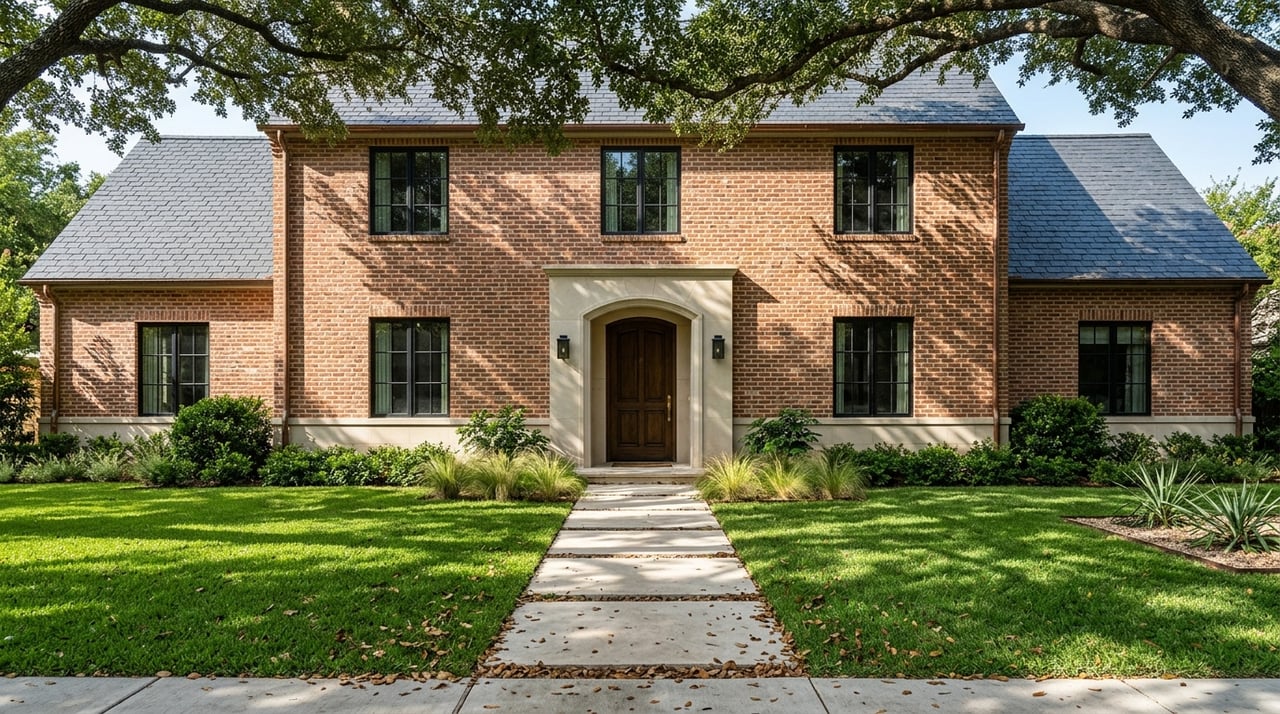
If you want a luxury home in central Austin, Pemberton Heights is one of the neighborhoods that keeps coming up for good reason. You may be looking for a home with architectural character, more land than many close-in areas can offer, and quick access to downtown without giving up a residential setting. This guide will walk you through what makes Pemberton Heights stand out, what today’s market looks like, and what to watch for as you search. Let’s dive in.
Why Pemberton Heights Stands Out
Pemberton Heights sits within Austin’s Old West Austin National Register Historic District, a designation the City of Austin says was accepted to the National Register in 2003. The neighborhood association describes it as an established close-in neighborhood with 613 residences and a location less than two miles from the University of Texas main campus, the Capitol complex, downtown, and Austin’s main medical center area.
That mix of history and convenience is a big part of the appeal. You get a residential environment that feels tucked away, yet everyday destinations like Whole Foods, Central Market, and Trader Joe’s are also within two miles, according to the neighborhood association.
A Historic Austin Setting
Pemberton Heights has roots in Austin’s early suburban growth. The neighborhood association says full-scale development began in the 1920s after major Shoal Creek bridges improved access and helped establish the area as one of Austin’s early automobile suburbs.
Today, that history still shapes the neighborhood’s identity. Instead of feeling like a master-planned community built all at once, Pemberton Heights reflects a longer story, with architecture and streetscapes that evolved over time.
What Luxury Buyers Notice First
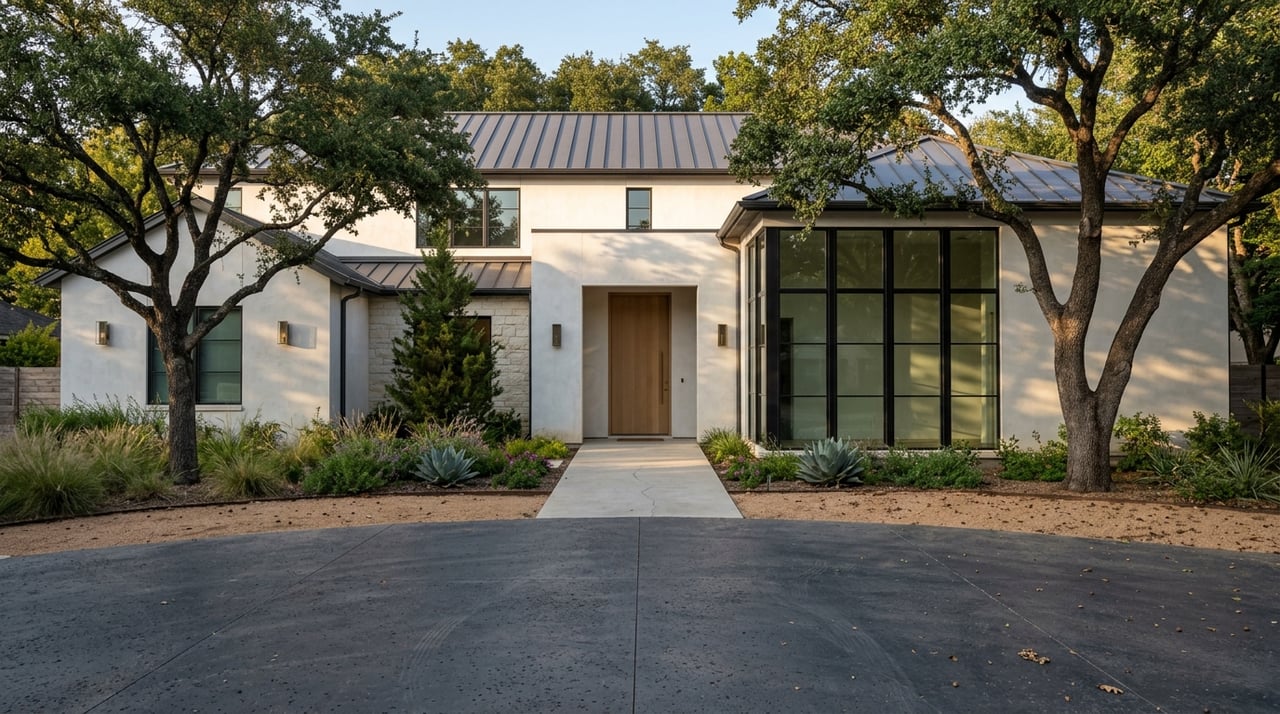
For many buyers, the first impression is the streetscape. The neighborhood association points to 30- to 40-foot setbacks, heritage trees, stone curbing, and park-like landscaping, all of which create a sense of space that is increasingly hard to find in close-in Austin.
The Old West Austin survey also highlights large original parcels, low-density single-family development, and a self-contained street system with limited exterior access. In practical terms, that often means a quieter residential feel and more visual separation between homes than you may expect this close to the city core.
Architecture With Range and Character
Pemberton Heights is especially attractive if you value homes that do not look interchangeable. The neighborhood association identifies Tudor Revival, Colonial Revival, Classical Revival, Spanish Colonial Revival, Italian Renaissance Revival, Craftsman, and Prairie School styles in the area.
The broader historic-district survey describes an even wider range, from Greek Revival to International Style. For you as a buyer, that variety means inventory can differ significantly from one block to the next, both in appearance and in how a home lives.
Lot Sizes and Home Sizes
Source-specific housing data helps frame the neighborhood. Homes.com reports a median lot size of 9,147 square feet, an average single-family home size of 3,237 square feet, and a median year built of 1941.
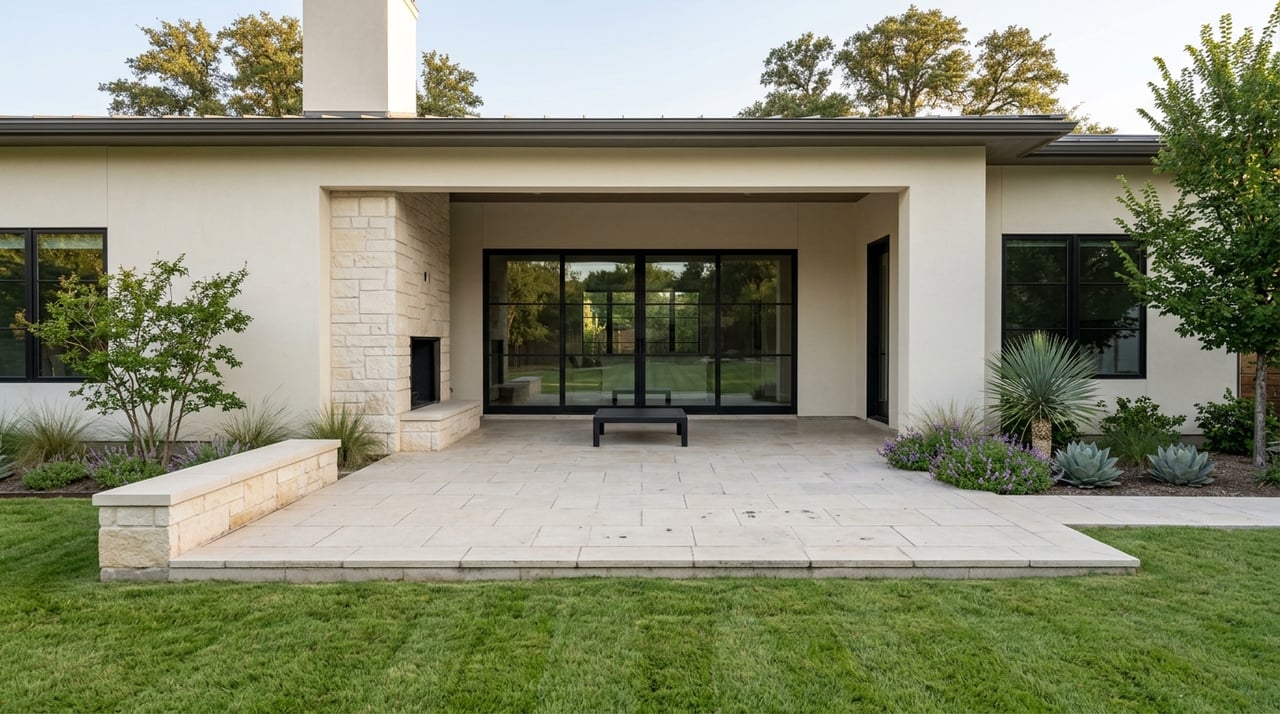
Those figures are useful because they show why Pemberton Heights often feels more spacious than other central Austin neighborhoods. You are not just paying for proximity to downtown. You are often buying into a pattern of larger lots, mature landscaping, and established homes with real architectural presence.
Signature Homes Add Prestige
Pemberton Heights also has several notable historic properties that reinforce its long-standing luxury identity. The neighborhood association highlights Pemberton Castle, the Reed Estate, the Keith House, and the Bohn House.
The Reed Estate is especially notable because the neighborhood association describes it as a five-acre property at the main entrance to the neighborhood. Homes like these help tell the story of Pemberton Heights as a place where land, design, and location have carried value for decades.
Pemberton Heights Market Snapshot
Current listing data supports the neighborhood’s premium position, but it is best read as a snapshot rather than a fixed rule. Realtor.com’s May 2026 neighborhood page shows 10 homes for sale, a median listing price of $4.1 million, a median list price of $922 per square foot, and 56 median days on market.
Homes.com presents a different but still high-end view, showing a $2.425 million median sale price over the past 12 months and an average price per square foot of $836. Because inventory is limited, even one standout listing can move neighborhood medians, so it helps to evaluate each home in context rather than rely on a single headline number.
What Type of Buyer Pemberton Heights Fits
Pemberton Heights tends to appeal to buyers who want central access without a dense urban setting. Based on the neighborhood’s location, lot pattern, historic framework, and market profile, it is often a strong fit if you value preservation, privacy, and established surroundings over a uniform new-construction feel.
That can include buyers relocating to Austin, professionals who want a quick commute to downtown or the medical district, and local move-up buyers looking for a close-in home with outdoor space and long-term appeal. The common thread is usually a preference for character and location, paired with a quieter residential environment.
Outdoor Access Is a Major Advantage
One of the clearest lifestyle benefits in Pemberton Heights is access to parks and trails. The neighborhood association says the area is adjacent to the Shoal Creek Trail, about half a mile from Pease Park, about two miles from the Lady Bird Lake Trail, and a short drive from Zilker Park, the Barton Creek Greenbelt, Mount Bonnell, and Emma Long Park.
The City of Austin says the Shoal Creek Trail system is being improved and extended, and that the existing trail follows Shoal Creek for four miles from Lady Bird Lake to 38th Street. If outdoor access matters to you, this is one of the strongest practical advantages of living here.
Pease Park and Shoal Creek Lifestyle
Pease Park is a major nearby anchor. Austin Parks and Recreation describes Pease District Park as an 84-acre public green space, and the city notes that Pease Park Conservancy operates under a park operations and maintenance agreement for stewardship of Kingsbury Commons and the broader park.
That matters because buyers are not just evaluating a house. You are also evaluating how easy it is to fit walks, trail time, and open green space into daily life, and Pemberton Heights performs well on that front.
Community Spaces Inside the Neighborhood
Pemberton Heights also has smaller-scale neighborhood green spaces that add to daily livability. The neighborhood association describes landscaped traffic islands, small parks, and the Hartford Park project, which transformed an overgrown traffic triangle into a park with picnic tables, benches, swing sets, and playscapes.
The association also notes regular neighborhood gatherings such as happy hours, Easter egg hunts, picnics, and carriage rides. While every buyer experiences a neighborhood differently, this suggests a level of active neighborhood involvement that stands out among high-end enclaves.
Dining and Everyday Convenience
Another plus is proximity to polished dining without living in a commercial corridor. Nearby Clarksville and West Sixth provide easy access to established Austin restaurants such as Josephine House, Bar Peached, and Clark’s Oyster Bar.
For many luxury buyers, that balance matters. You can enjoy a residential setting with tree-lined streets and still reach dining, groceries, downtown offices, and major institutions within a short drive.
What to Keep in Mind as You Search
If you are considering Pemberton Heights, it helps to approach the neighborhood with a case-by-case mindset. Homes can vary widely in style, age, updates, lot characteristics, and how they relate to the historic setting.
It is also smart to treat market averages carefully in a neighborhood with limited inventory. In a place like Pemberton Heights, the right purchase often comes down to block quality, site orientation, architectural integrity, and how well a specific home matches your goals.
Why Local Guidance Matters Here
In a neighborhood as nuanced as Pemberton Heights, luxury buying is rarely just about price per square foot. You are comparing historical character, lot scale, access, renovation quality, and long-term value in one of Austin’s most established close-in settings.
That is where experienced local guidance can make the process more efficient and more strategic. If you are exploring Pemberton Heights or comparing it with other premier Austin neighborhoods, Camille Casper can help you evaluate the market with discretion, clarity, and a tailored plan.
FAQs
What makes Pemberton Heights different from other central Austin neighborhoods?
- Pemberton Heights stands out for its historic setting, large original parcels, generous setbacks, mature trees, and close-in location near downtown, UT, and major parks and trails.
What is the current luxury price range in Pemberton Heights?
- Recent neighborhood data shows a high-end market, with Realtor.com reporting a May 2026 median listing price of $4.1 million, though prices should be viewed as a snapshot because limited inventory can shift medians quickly.
What kinds of homes are in Pemberton Heights?
- The neighborhood includes a wide range of architectural styles, including Tudor Revival, Colonial Revival, Classical Revival, Spanish Colonial Revival, Italian Renaissance Revival, Craftsman, and Prairie School homes.
How large are lots in Pemberton Heights?
- Homes.com reports a median lot size of 9,147 square feet, which helps explain why the neighborhood often feels more spacious than many other close-in Austin areas.
Is Pemberton Heights convenient for downtown Austin?
- Yes. The neighborhood association says Pemberton Heights is less than two miles from downtown, the Texas State Capitol complex, the University of Texas main campus, and Austin’s main medical center area.
What parks and trails are near Pemberton Heights?
- Pemberton Heights is adjacent to the Shoal Creek Trail, about half a mile from Pease Park, and about two miles from the Lady Bird Lake Trail, with additional access by car to Zilker Park, Barton Creek Greenbelt, Mount Bonnell, and Emma Long Park.