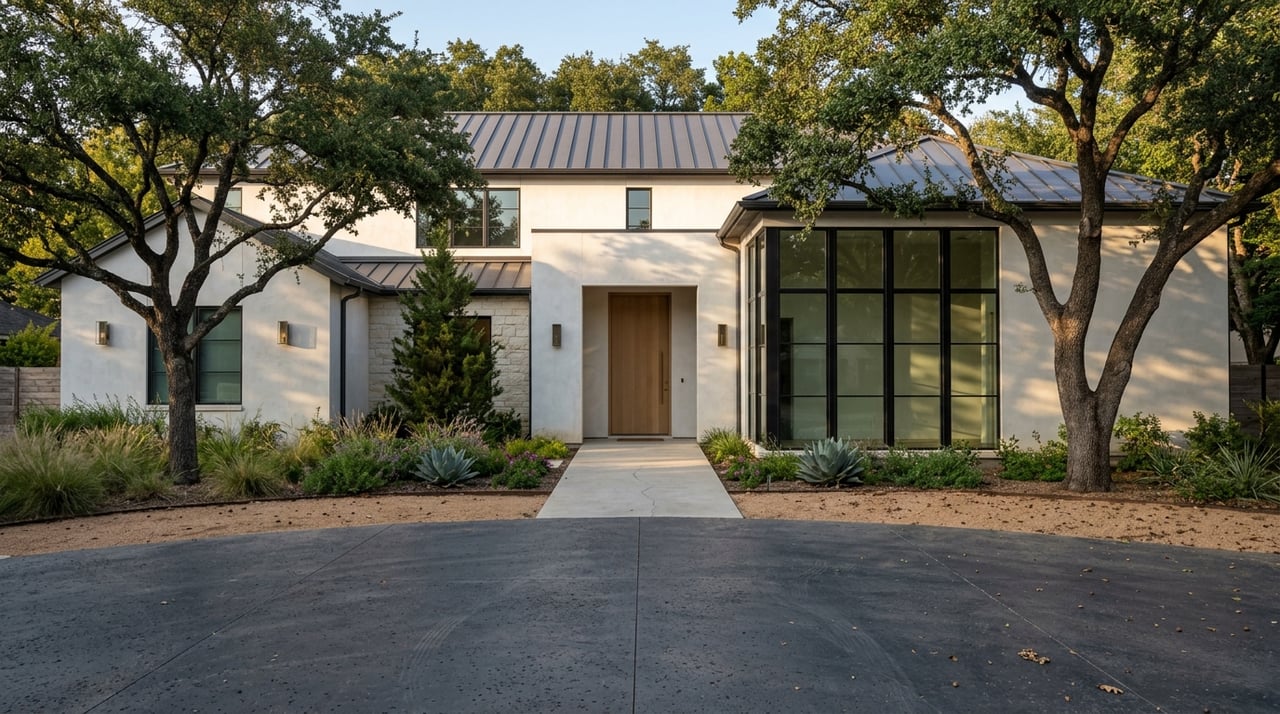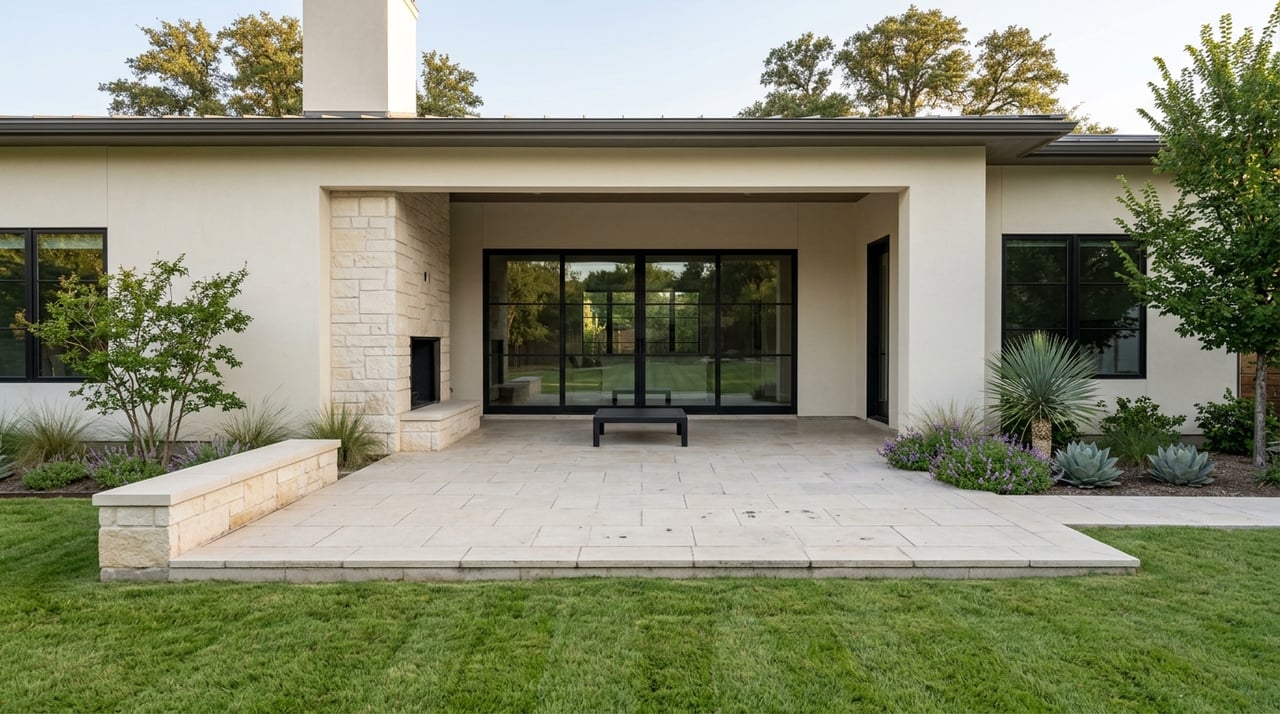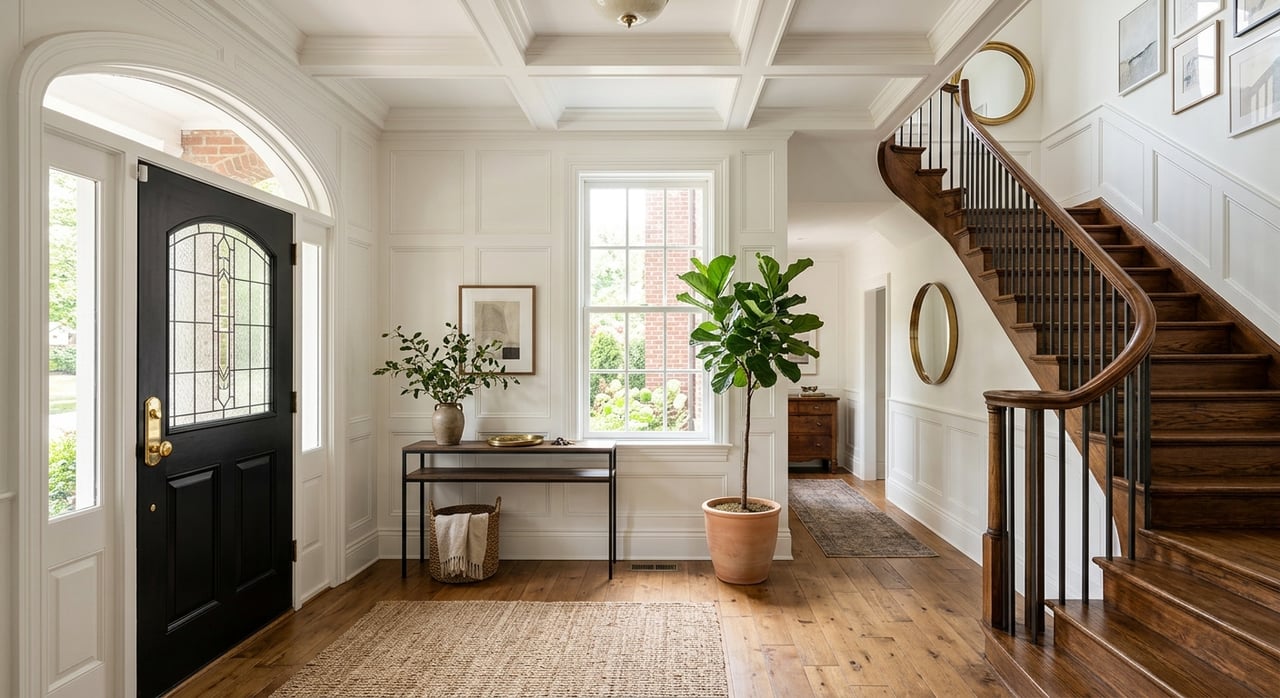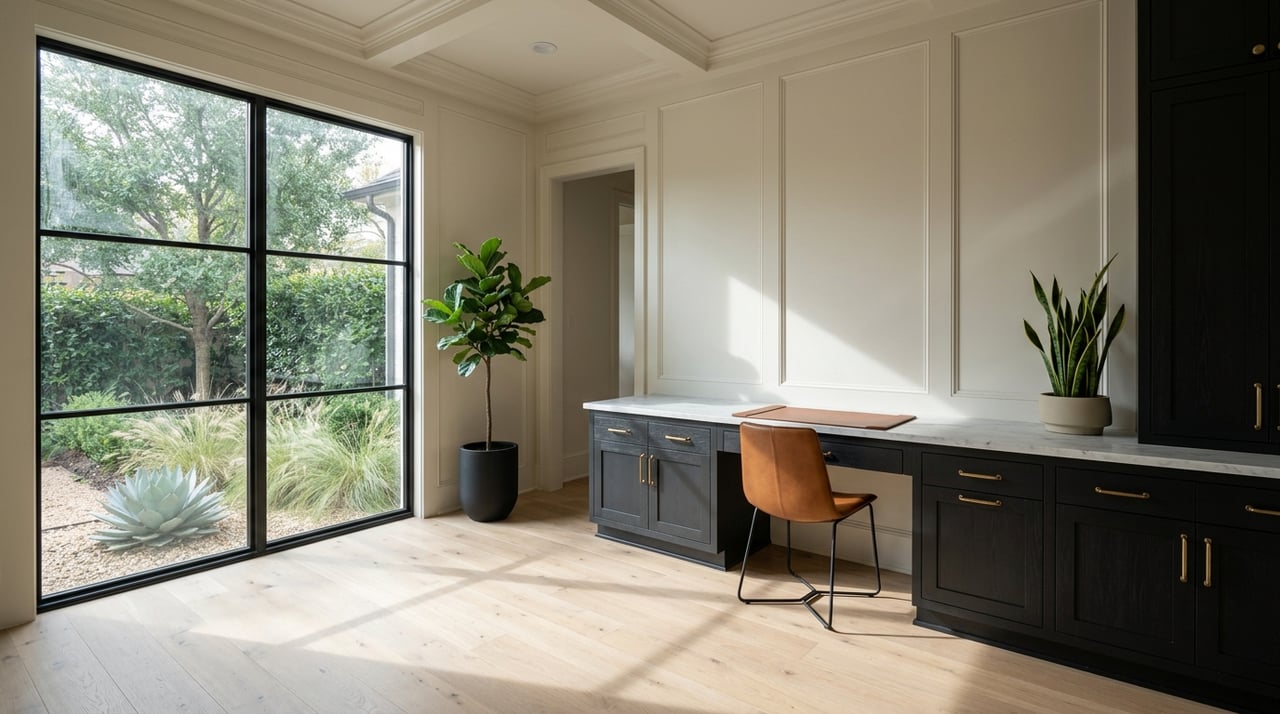
Thinking about trading a long commute for a more flexible, in-town routine? For many remote and hybrid professionals, Central East Austin stands out because it offers a close-in location, a strong sense of place, and home options that fit the way people actually live and work today. If you are weighing convenience, layout, and lifestyle, this guide will show you why East Austin homes keep landing on buyers’ shortlists. Let’s dive in.
Why Central East Austin Works
Central East Austin offers something many buyers want but struggle to find in one place: proximity to downtown, established neighborhood character, and a mix of residential and commercial spaces that can support daily life without a long drive.
City planning materials describe East Austin as a close-in area with historic corridors, small businesses, open parkland, artists, entrepreneurs, and the African American Cultural Heritage District. The Central East Austin planning framework also reflects long-term priorities around housing, transportation, redevelopment, and historic preservation. That combination helps explain why the area appeals to buyers who want both access and identity.
A Mixed-Use Pattern Supports Daily Life
One of the biggest advantages for remote professionals is not having to plan every errand, coffee meeting, or work session around a car trip. Central East Austin’s planning documents recommend mixed-use overlays along corridors such as Chicon, Rosewood, Martin Luther King Jr. Boulevard, and Navasota.
City materials for the East 11th corridor also envision medium-density mixed use with office, commercial, and residential uses. In practical terms, that supports a lifestyle where your workday can happen partly at home and partly near nearby amenities.
Character Matters When You Work From Home
When you spend more time at home, the feel of your surroundings matters. Austin preservation materials note that older buildings can support affordable housing, small businesses, arts organizations, density, and walkability.
The City also states that East Austin historic areas contain more than 7% of the city’s cultural assets while covering less than 1% of city land. That helps explain why buyers often see Central East Austin as more than a convenient location. It also offers texture, history, and a distinct neighborhood identity.
What Remote Professionals Want in a Home
Remote work has changed what buyers prioritize. Instead of simply looking for more square footage, many are looking for better square footage.
National buyer research from NAHB shows the median home size fell from 2,200 square feet in 2023 to 2,150 square feet in 2024. The same report says townhomes reached a record 17% share of the single-family market, which points to growing interest in smaller, more personalized homes.
Layout Beats Size
If you work from home, a thoughtful floor plan often matters more than a large footprint. NAHB reports that buyers increasingly want space for at least one in-home office, along with cozier living spaces that work better for everyday life.
In Central East Austin, that often means looking for features like:
- A true office or flex room
- Clear separation between work and living zones
- A practical main living area
- Storage that keeps your workspace uncluttered
- Outdoor space like a porch, patio, or yard area
These priorities fit the area well, especially where the housing stock includes updated older homes, condos, and newer infill townhomes.
Technology and Comfort Still Matter
Remote professionals often want a home that feels efficient and ready for daily use. NAHB notes continued demand for features such as security cameras, wireless security systems, video doorbells, programmable thermostats, and energy-management systems.
For buyers in Central East Austin, those details can make a smaller home feel more functional. A well-designed home with strong natural light, flexible rooms, and energy-efficient systems may support your routine better than a larger house with less intentional design.
The Tradeoff Makes Sense for Many Buyers
For many remote professionals, choosing Central East Austin means accepting a different balance than you might find in more suburban parts of the metro. You may give up a larger lot or a bigger footprint.
In return, you often gain location efficiency, easier access to downtown, and a home that better matches a flexible lifestyle. That tradeoff is consistent with broader buyer trends toward smaller, better-designed homes and with the city’s planning emphasis on mixed-use urban neighborhoods.
Third Places Make the Area More Livable
A big reason remote professionals choose East Austin homes is that work does not have to happen only at home. The area offers a range of places where you can take calls, meet clients, answer emails, or reset your routine.
This matters because even a great home office benefits from backup options. Having work-friendly places nearby can make your week feel easier and more balanced.
Coworking and Work-Friendly Spots
Central East Austin and nearby areas offer several places that support remote work:
- The Malin East Austin offers memberships, day passes, and a design-focused coworking environment.
- The Cathedral functions as both an art gallery and coworking venue, with natural light, conference room access, private studios, phone booths, and parking.
- Bennu Coffee describes itself as a 24-hour coffee shop with Wi-Fi, large tables, indoor and outdoor seating, and free parking.
- Cabana Club opens at 7 a.m. and explicitly markets itself as remote-work friendly, with coffee, breakfast and brunch options, and pool access between meetings.
- Cenote offers Wi-Fi, outlets, outdoor seating, and long daily hours in a historic bungalow setting.
- Hi Sign Brewing offers specialty coffee, free high-speed Wi-Fi, and a relaxed setup that suits remote work and casual meetings.
For buyers, these places support a flexible work rhythm. You can step out for a focused morning, a casual meeting, or simply a change of scenery without leaving your part of town.
Downtown Access Still Matters
Even if you work remotely most days, location still matters. Meetings, dinners, events, and occasional office time can all make quick access to downtown a major advantage.
CapMetro says its High-Frequency Network serves Austin every 15 to 30 minutes, and Route 2 runs from Oak Springs and Springdale through downtown, past the Capitol and Republic Square, before serving Cesar Chavez. That gives Central East Austin residents another option beyond driving.
Transit Expands Your Options
CapMetro’s Rapid 800 and 837 lines launched full service in June 2026 and run every 10 to 15 minutes. Route 837 connects Expo Center service with Republic Square downtown, UT, the Red Line, and other East Austin destinations.
CapMetro’s Red Line, which has 10 stations from Downtown to Leander, also adds to the broader access story. For a remote or hybrid buyer, this supports a more flexible routine when you want to move between home, meetings, and downtown activity.
A More Walkable Urban Context
The City’s Great Streets program frames downtown as a pedestrian-first environment and highlights spaces such as the Cesar Chavez Promenade. That matters because Central East Austin buyers are not just choosing a house. They are also choosing how easily they can plug into the city.
At the same time, block-by-block differences still matter. Central East Austin includes quieter residential streets as well as more active corridors, so the right fit often depends on how much energy, traffic, and immediate access you want around you.
A Strong Sense of Place Adds Value
Convenience is only part of the story. Central East Austin also offers a recognizable cultural framework that many buyers find compelling when they want a neighborhood with a strong identity.
City-recognized districts include the African American Cultural Heritage District, the 5th Street Mexican American Heritage Corridor, the Govalle Cultural District, and the East Cesar Chavez district. These designations help explain why the area often feels distinct from newer, more uniform development patterns elsewhere.
For remote professionals, that can be especially meaningful. When you spend more time close to home, your neighborhood experience becomes a larger part of your everyday quality of life.
What to Look for When Buying
If you are considering Central East Austin, it helps to focus on how a home will function Monday through Friday, not just how it shows on a weekend tour. A beautiful home is important, but so is whether it supports your real routine.
A smart buying checklist may include:
- Is there a dedicated office or a true flex room?
- Does the layout create separation for video calls and focused work?
- Is there usable outdoor space?
- Are the storage and systems practical for daily life?
- How close is the home to cafés, coworking, or daily conveniences?
- Does the block feel quieter or more active than you want?
- How easy is the route to downtown by car or transit?
In this part of Austin, the best choice is often less about maximum size and more about the right mix of layout, location, and neighborhood context.
If you are exploring Central East Austin homes and want a polished, data-informed perspective on which properties best support your lifestyle, Camille Casper offers thoughtful guidance tailored to Austin buyers who value strategy, discretion, and strong local insight.
FAQs
Why do remote professionals choose Central East Austin homes?
- Many buyers choose Central East Austin because it offers a close-in location, mixed-use corridors, access to downtown, and homes that can better support flexible work routines.
What home layout works best for remote work in East Austin?
- The most practical layout usually includes a dedicated office or flex room, separation between work and living spaces, useful storage, and some outdoor space.
Is Central East Austin convenient for downtown access?
- Yes. CapMetro’s high-frequency routes, Rapid lines, and broader rail connections support access between East Austin and downtown destinations.
Are there places to work outside the house in East Austin?
- Yes. The area includes coworking spaces, coffee shops, and work-friendly venues like The Malin, The Cathedral, Bennu Coffee, Cabana Club, Cenote, and Hi Sign Brewing.
What is the main tradeoff with Central East Austin homes?
- The main tradeoff is often choosing a smaller home or lot in exchange for better location efficiency, flexible layouts, and easier access to amenities and downtown life.