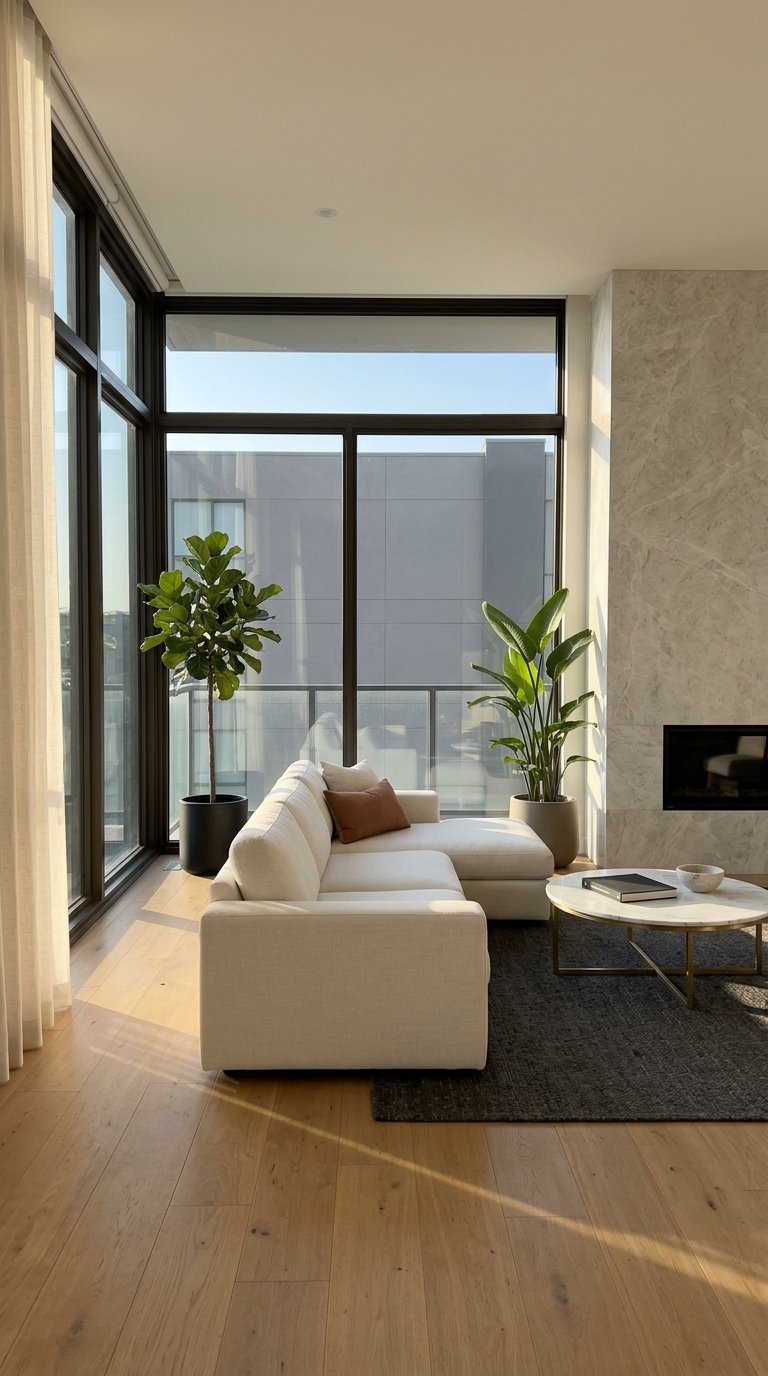
Wondering whether a higher floor is always better in a Downtown Austin condo? It is a common assumption, especially when you picture skyline views, privacy, and that elevated city feel. But in Downtown Austin, the right floor often comes down to how you want to live each day, what kind of view you want to protect, and how much value you are really getting for the premium. Let’s dive in.
Why floor choice matters downtown
Downtown Austin is built for active urban living. The city’s downtown core is dense, walkable, and designed around a strong mix of residences, retail, jobs, hotels, and street activity. With Great Streets improvements now spanning roughly 230 block faces, your condo’s floor can shape how much of that energy you experience from home.
That matters because floor choice affects more than scenery. It can influence noise levels, privacy, convenience, and even future resale appeal. In a market with more inventory and more time for buyers to compare options, choosing the right floor is less about chasing the highest number and more about matching the unit to your priorities.
Downtown Austin Alliance reports that the condo market added 550 units since 2024, a 14% increase in inventory, and condos averaged 123 days on market in 2024. That gives you more room to evaluate whether a floor premium is truly justified.
What different floors usually offer
Penthouse floors
Penthouse units tend to draw the most attention for good reason. They often offer stronger privacy, dramatic views, and a level of scarcity that can feel special within the building. If you enjoy entertaining or want a signature residence, a penthouse can be appealing.
Still, top-floor status does not automatically mean the best or most protected view in Downtown Austin. The city uses Capitol View Corridor rules and the Capitol Dominance Zone to regulate heights in certain areas, and the skyline continues to evolve. Before paying a premium, it is worth confirming whether your view is likely to remain open or could shift with nearby development.
High floors
High-floor units are often the sweet spot for buyers who want a balance of view, privacy, and quieter interiors. They can offer a more elevated living experience without reaching full penthouse pricing. For many Downtown Austin buyers, this range provides the broadest appeal.
Research on condominium pricing shows that higher floors generally command a premium, but that premium tends to taper off as floors rise. In practical terms, the jump from a mid-floor to a high-floor unit may matter more than the jump between two very high floors. That is why paying more for the absolute top tier does not always deliver a proportional lifestyle or resale advantage.
Lower floors
Lower-floor units often give up some view and privacy, but they can make up for it in convenience and value. If you come and go frequently, want faster access to the lobby, or prefer easier daily movement, a lower floor may fit your lifestyle surprisingly well.
Lower floors can also be a smart way to enter a luxury building at a more efficient price point. In Downtown Austin, that can mean enjoying the same address, amenities, and walkable setting while reserving more of your budget for layout, finishes, or location within the tower.
Downtown Austin factors that matter most
Views depend on orientation too
In Downtown Austin, floor number is only part of the story. Orientation and stack can matter just as much as height. A mid-floor unit with a cleaner sightline may offer a better experience than a higher unit facing a less compelling direction.
This is especially important in a skyline shaped by view corridor rules and ongoing development. A well-positioned lower or mid-floor condo can sometimes outperform a higher-floor unit if the view line is more open or less vulnerable to change.
Noise changes by location
Downtown Austin has an active street life, and some blocks feel more energetic than others. The city regulates amplified sound through Chapter 9-2, with guidance allowing amplified sound on residential property from 10 a.m. to 10 p.m. at up to 75 decibels, and not audible beyond the property line from 10 p.m. to 10 a.m.
For you as a buyer, the practical takeaway is simple. Lower floors facing busy streets, patios, bars, or entertainment areas are more likely to pick up the rhythm of downtown. Higher floors or inward-facing units often feel more buffered from that activity.
Elevators affect daily living
The appeal of height often comes with more dependence on elevators. That may not sound significant at first, but it can become part of your everyday experience very quickly. If you travel often, have a busy schedule, or simply value ease, vertical travel deserves real consideration.
Lower floors can feel more convenient because they reduce travel time to the entrance. On the other hand, a well-run luxury tower with efficient vertical circulation can make high-floor living feel seamless. The key is to think beyond the unit itself and consider how the building functions day to day.
How to judge resale potential
Higher floors generally carry a resale premium, but the premium is not unlimited. In today’s Downtown Austin condo market, buyers have more options and more time to compare units carefully. That means resale value is often tied to the full package, not just elevation.
The strongest resale stories usually combine a desirable floor with features that are hard to duplicate. That may include open views, a corner layout, a preferred stack, a terrace, or reduced noise exposure. A slightly lower floor with better orientation and stronger livability can be more compelling than a very high floor with a compromised view.
This is where thoughtful buying can create long-term value. If a premium is supported by scarcity and real lifestyle benefits, it may hold up better over time. If it is based only on being a few floors higher, buyers may be less willing to pay extra when they have more inventory to choose from.
How to choose the right floor for you
Choose based on daily routine
Start with how you plan to use the home. If you want a quiet retreat above the city and care deeply about views, a high floor may make sense. If you expect to be in and out often and value easy access, a lower floor may suit you better.
Try to picture a regular weekday, not just a showing. Think about mornings, evenings, deliveries, guests, and how often you will depend on elevators. The right floor should support your real routine, not just look impressive on paper.
Compare the stack, not just the floor
Two units on the same floor can feel very different. One may face a lively corridor with stronger city noise, while another may be turned toward a quieter or more protected exposure. That is why stack and orientation deserve as much attention as level.
When you compare units, focus on what you actually gain from the premium. Are you getting a cleaner skyline line, better natural light, more privacy, or less street exposure? If the answer is no, the higher floor may not be the stronger choice.
Be careful with penthouse premiums
Penthouse living can be worth it if the value is supported by true scarcity, stronger privacy, and exceptional views. But in a market with growing inventory, it is wise to look closely at what the premium is buying you. Not every top-floor unit delivers the same long-term advantage.
If the view is vulnerable, the orientation is average, or the layout is not especially rare, the premium may be harder to defend later. In many cases, a strong high-floor unit can offer nearly the same lifestyle with better overall value.
A smart Downtown Austin approach
In Downtown Austin, the best floor is rarely decided by altitude alone. It is usually the floor where view, noise protection, convenience, and scarcity come together in a way that fits your lifestyle. That is especially true in a market where buyers can be more selective.
If you are weighing condo options downtown, careful unit-by-unit analysis matters. A polished tower address is only part of the equation. The right floor should feel right when you live there and make sense when you look ahead to resale.
If you want help evaluating Downtown Austin condo options with a more strategic, unit-level lens, connect with Camille Casper for tailored guidance.
FAQs
Is the highest floor always best in a Downtown Austin condo?
- No. In Downtown Austin, the best floor often depends on view orientation, noise exposure, elevator convenience, and how much premium you are paying.
Are lower-floor condos in Downtown Austin a bad investment?
- Not necessarily. Lower-floor units can offer strong value, easier daily access, and a better price within the same building, especially if the stack is quieter or more inward-facing.
Do high-floor condos in Downtown Austin always have better views?
- No. A higher floor can help, but orientation and stack matter too. A mid-floor unit with a cleaner sightline may offer a better view than a higher unit with a compromised exposure.
How does Downtown Austin noise affect condo floor choice?
- Lower floors facing busy streets, patios, bars, or entertainment areas are more likely to feel downtown activity, while higher or inward-facing units often feel more buffered.
What helps a Downtown Austin condo hold value over time?
- Resale appeal is often strongest when a unit combines a desirable floor with hard-to-duplicate features like open views, reduced noise, a preferred stack, a terrace, or a corner layout.