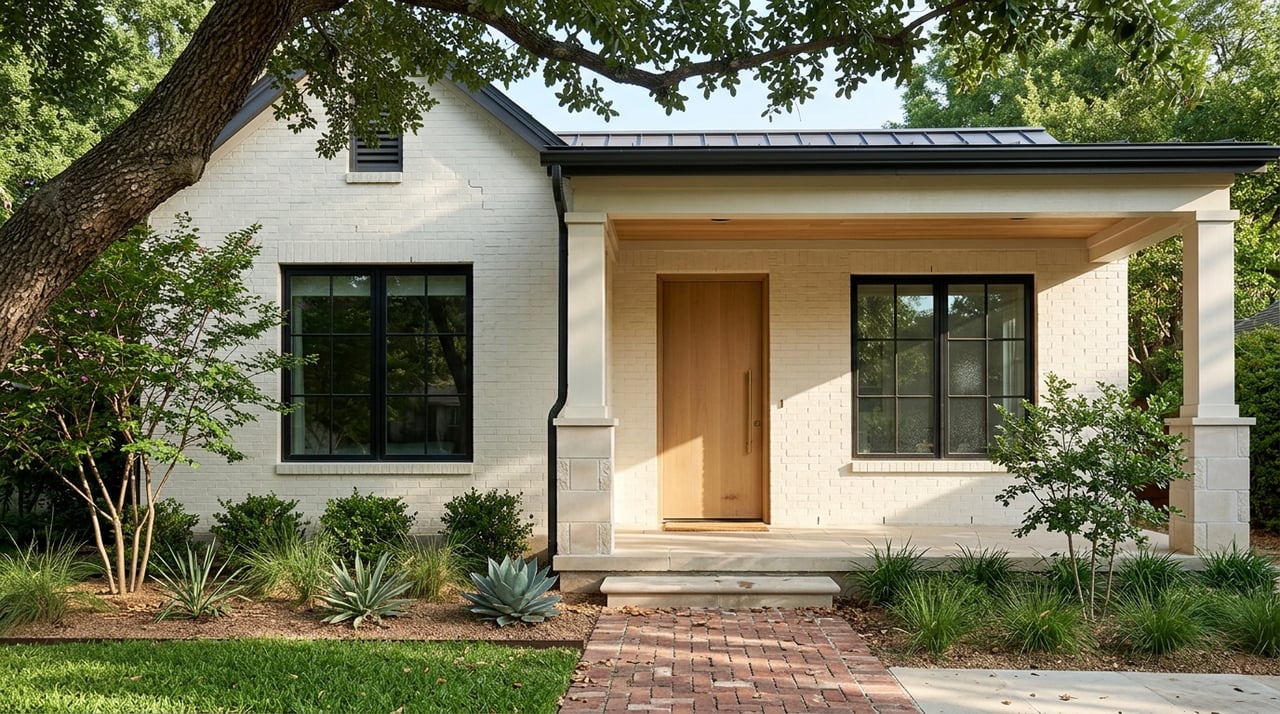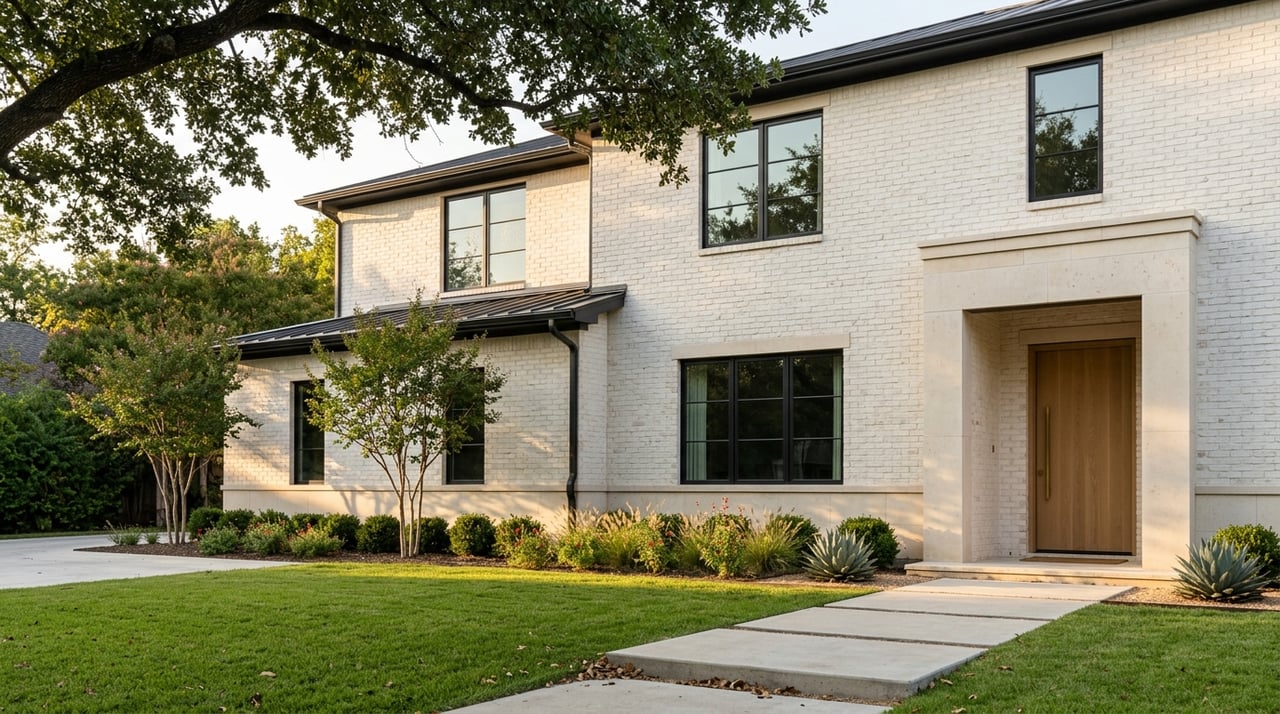
Wondering if selling your Tarrytown home quietly is the smart move? In a neighborhood known for established homes, tree-lined streets, and a high-price market, it can be tempting to assume a low-profile sale is always the more elegant option. But in reality, an off-radar strategy works best in specific situations, and it comes with real tradeoffs. If you are weighing privacy against exposure, this guide will help you understand when a quieter sale makes sense in Tarrytown and how to approach it thoughtfully. Let’s dive in.
Tarrytown sets a unique backdrop
Tarrytown is one of Austin’s most established residential areas, located west of downtown between Lake Austin and MoPac, with boundaries generally marked by Lake Austin Boulevard and 35th Street. The Tarrytown Neighborhood Association describes it as largely residential, tree-lined, and made up of older homes, estates, and bungalows.
That character matters when you think about how to sell. Many homeowners in Tarrytown value privacy, predictability, and a more controlled process, especially when their home is in a highly visible price bracket.
Market context matters too. Recent Redfin neighborhood data for Tarrytown shows a median sale price of about $1.95 million, homes selling around 4.9% under list price, and properties taking roughly 81 days to go pending. In the broader market, Unlock MLS reported in February 2026 that Austin and Travis County were both sitting near six months of inventory, which suggests buyers may have options and sellers need a strategy that matches their goals.
When a quiet sale makes sense
A lower-profile sale is usually not about secrecy for its own sake. It is about choosing more control when your priorities go beyond reaching the largest possible audience on day one.
Privacy is your top concern
If you want to limit how much of your home and personal life appear online, a quieter sale can make sense. The National Association of Realtors consumer guidance on privacy and safety notes that photos and video are now common in the selling process, which can raise concerns for homeowners who prefer less visibility.
That same guidance recommends securing valuables, putting away personal items, discouraging unapproved photography, and using electronic lockboxes that record entries. If those concerns feel especially important to you, a controlled launch may be worth considering.
Security and access need tighter control
Some sellers want fewer people moving through the home. That can be especially relevant if you have valuables on site, a complex household schedule, or simply want to reduce disruption.
In those cases, a quieter approach can help you manage showings more intentionally. You may choose a more curated set of appointments or one-to-one outreach rather than broad public promotion right away.
You want to test pricing carefully
Sometimes the goal is not full privacy, but a softer start. Unlock MLS describes Flex as useful when a home needs runway, when a seller wants to test pricing quietly, or when discretion is the goal.
That kind of phased strategy can help you gather early feedback before going fully public. For some Tarrytown properties, especially unique homes where pricing can be nuanced, that can be a practical way to refine positioning.
You prefer control over maximum exposure
The strongest case for an off-radar sale is when privacy and control matter more than broad initial reach. The NAR discussion of pocket listings recognizes privacy as a legitimate reason for more limited exposure, including for high-profile homeowners.
At the same time, NAR also warns that limiting exposure can reduce marketing opportunities, bring in fewer buyers, lengthen market time, and potentially lower the final price. That means a quiet sale should be a deliberate choice, not a default setting.
What “off the radar” actually means
Not every quiet sale works the same way. Under current rules, there is a big difference between delayed public marketing and a true office exclusive.
Delayed marketing listings
According to NAR’s 2025 MLS policy FAQ, a delayed marketing exempt listing is entered into the MLS but held back from IDX and syndication for a local period. In simple terms, the listing exists in the MLS system, but it is not immediately pushed out to public home search websites.
This can be useful if you want a brief private runway while still planning for a broader launch later. It is often a middle-ground option for sellers who want some discretion without fully stepping away from MLS exposure.
Office exclusive listings
That same NAR policy explains that an office exclusive exempt listing is not publicly marketed and is not disseminated to other MLS participants. This is a more private route and is designed for sellers who want tighter control over visibility.
For this path, seller disclosures matter. NAR states that sellers must sign a disclosure acknowledging that they are waiving or delaying the benefits of public marketing.
Public marketing triggers matter
This is where many sellers need clarity. NAR also explains that one-to-one broker communication does not trigger Clear Cooperation, but broader promotion does. Once a listing is publicly marketed through a yard sign, public website, brokerage website, email blast, or similar promotion, MLS filing is generally required within one business day under that policy framework.
Unlock MLS rules follow a similar structure. The rules define public marketing broadly, require certain listings to be entered within five business days after signatures, and require seller-signed certification when the seller refuses MLS dissemination and the broker takes the listing as an office exclusive.
The tradeoffs of staying private
A quiet sale can protect privacy, but it is not free of downside. The core tradeoff is simple: less exposure usually means a smaller audience.
Fewer buyers may see the home
The NAR consumer guide on alternative listing options explains that MLS exposure helps sellers reach the largest pool of prospective buyers. If you limit that visibility, fewer buyers may know your home is available at the start.
In a market like Tarrytown, where pricing is already elevated and buyer pools may be narrower than in more affordable segments, audience size matters. A private strategy can still work, but it should match the property and your priorities.
Price discovery may take longer
When you go public, the market often gives you faster feedback. A quieter launch may slow that process because there are fewer eyes on the home.
That does not automatically mean the strategy is wrong. It simply means you should be clear about whether your goal is speed, privacy, pricing feedback, or a combination of all three.
A quiet launch is not proven to outperform
You may see marketing claims around private or phased launches. The research here shows that some organizations report strong internal results for these programs, but those claims come from their own transaction data and should be treated as directional, not independent proof that any one system is better.
That is why the best approach is not to assume an off-radar sale will produce a higher price. The smarter question is whether the strategy fits your home, timing, and comfort level.
A practical Tarrytown decision framework
If you are trying to decide whether your Tarrytown home sale should stay off the radar, start with your goals first and the marketing path second.
Choose quiet if these priorities lead
A discreet strategy may be a fit if:
- You want to reduce public visibility of your home’s photos, video, and floor plan
- You need tighter control over access and showing traffic
- You want to test pricing before a broader public launch
- You value privacy more than maximum exposure on day one
- Your home situation calls for fewer disruptions during the sale process
Choose broader exposure if these priorities lead
A public launch may be the better fit if:
- You want the largest possible buyer pool immediately
- You are focused on broad competition from the start
- You want faster market feedback on pricing
- Your priority is maximizing visibility rather than limiting it
A smart process for a discreet launch
If you do choose a lower-profile strategy, the process should still be disciplined.
Start with valuation
Before you decide how private to be, establish pricing carefully. In a neighborhood like Tarrytown, where home styles, lot characteristics, and updates can vary significantly, clear valuation work is essential.
Define the level of privacy
Be specific about what you want. Are you looking for full privacy, delayed public marketing, or a staged launch that starts quietly and expands if needed? That decision shapes everything from timing to disclosures to buyer outreach.
Prepare the home and showing plan
Even a private sale needs strong presentation. Photos, access instructions, showing protocols, and safety measures should all be handled with care.
Reassess quickly
A quiet launch should not drift. If interest is thin, it may make sense to broaden exposure sooner rather than later.
That is often the difference between a strategic private launch and a listing that simply stays too hidden for too long.
The bottom line for Tarrytown sellers
In Tarrytown, staying off the radar can be the right move, but only when it supports a clear goal. Privacy, security, and controlled access are valid reasons to choose a quieter sale. Still, reduced exposure can also mean fewer buyers, slower feedback, and more pricing uncertainty.
The best strategy is usually not the quietest or the most public. It is the one that matches your priorities, follows current MLS rules, and leaves room to adjust based on real market response. If you are considering a discreet sale in Tarrytown, working with an advisor who can balance privacy, compliance, and pricing strategy is key.
If you want thoughtful guidance on whether a private, delayed, or public launch best fits your goals, Camille Casper offers a polished, discreet approach tailored to Austin-area sellers.
FAQs
Should a Tarrytown home sale stay off the radar to get a better price?
- Not necessarily. A quieter sale may support privacy and control, but the research does not prove that limited exposure consistently leads to a better sale price.
What does an off-radar home sale mean in Tarrytown?
- It can mean either delayed public marketing through the MLS or a more private office exclusive approach, depending on the seller’s goals and signed disclosures.
Are private home sales in Tarrytown allowed under current MLS rules?
- Yes, but they must follow current NAR and Unlock MLS rules, including disclosure requirements and rules around what counts as public marketing.
When does a private Tarrytown listing need to go into the MLS?
- If the home is publicly marketed through channels like a public website, yard sign, or email blast, MLS filing is generally required within the applicable rule timeframe.
Why would a Tarrytown seller choose a discreet home sale?
- Common reasons include privacy, security, fewer showings, reduced disruption, and the ability to test pricing before a broader public launch.